Every festival organizer eventually faces the same question: should the display be built from traditional silk lanterns, modern LED sculptures, or a blend of both? The answer is rarely either/or. Silk and LED lanterns solve different problems, shine in different settings and carry different costs. This comparison breaks down the decision by the factors that actually matter to event planners — light quality, durability, weather resistance, energy, maintenance and budget — so you can build a display that looks spectacular and operates reliably.
What Each Technology Actually Is
A silk lantern is a covered frame — traditionally bamboo, today usually steel — with silk or acrylic fabric stretched over it and illuminated from within. Its charm is its soft, diffused glow and its handmade, artisanal character. A modern LED lantern, by contrast, may be an open steel-frame sculpture wrapped in LED modules, a fibreglass form with embedded lighting, or a fully programmable illuminated structure. The two are not competitors in the strict sense; they are different tools for different visual jobs.
Light Quality and Aesthetics
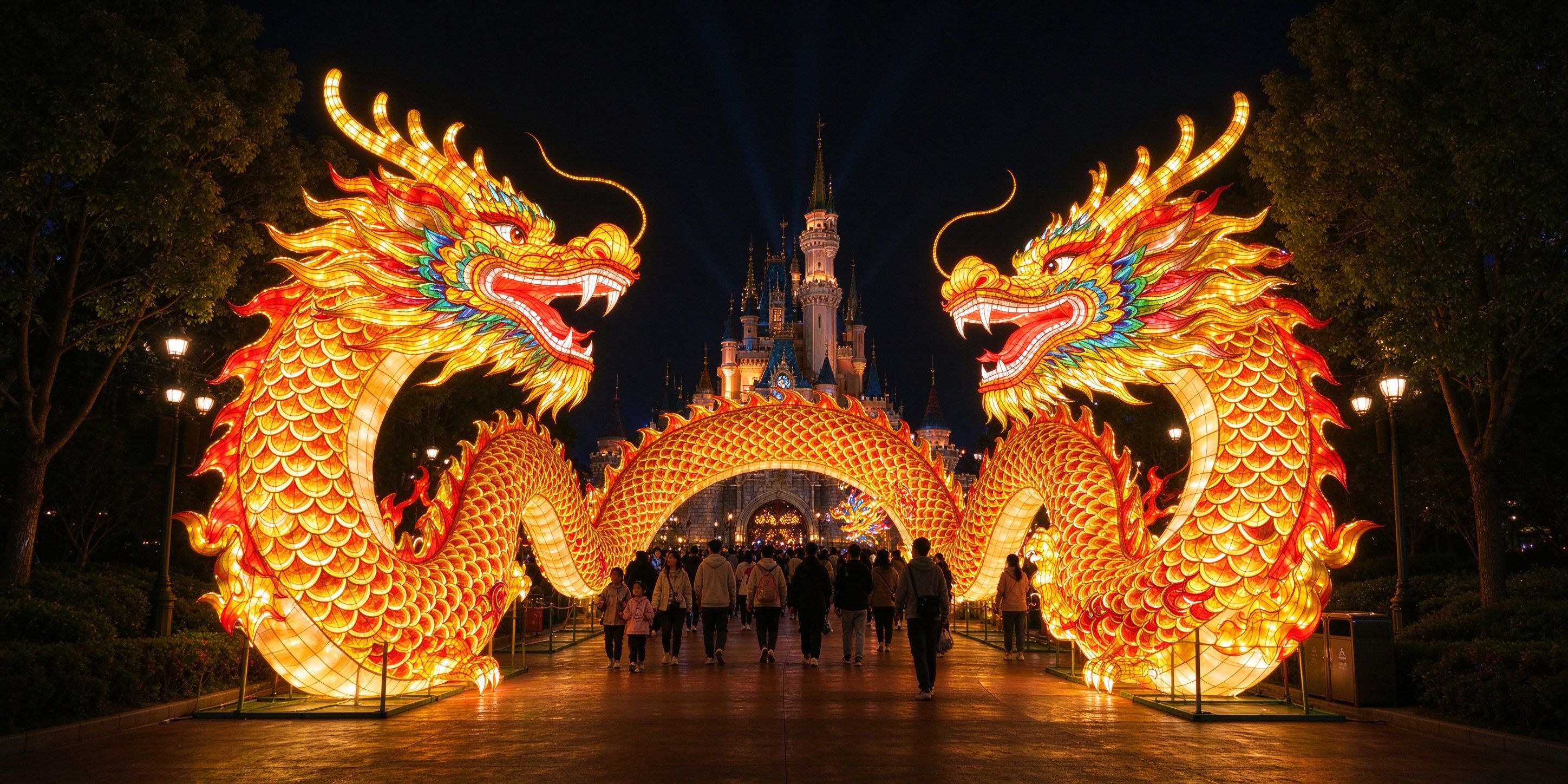
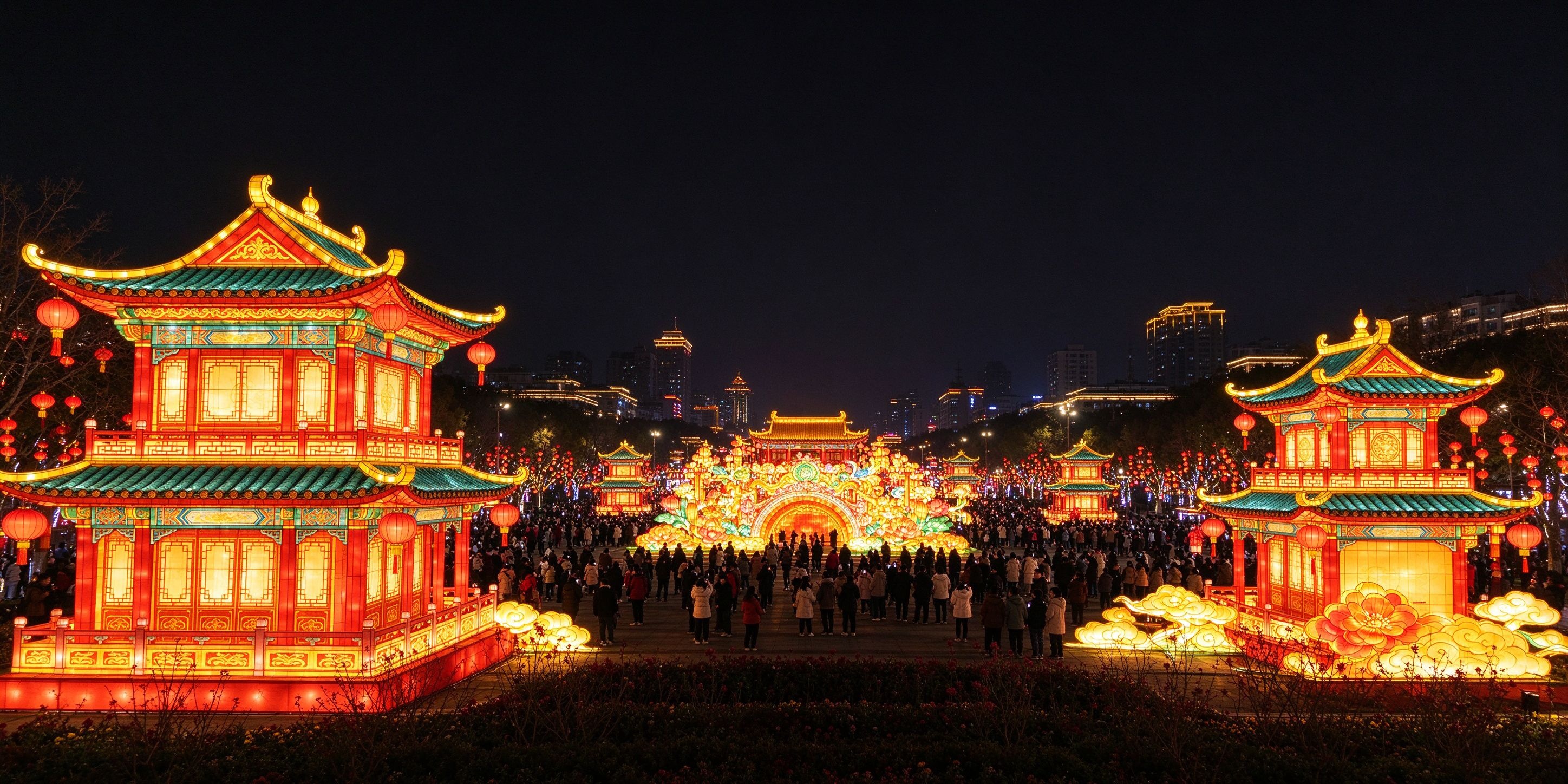
Silk is unmatched for warmth. Light passing through dyed fabric produces a rich, saturated colour with soft diffusion — the classic look of a mid autumn lantern or a traditional spring lantern festival display. It photographs beautifully and reads as "authentic" to audiences. LED is unmatched for versatility and vibrancy: addressable modules can produce colour changes, chase effects, animation and precise gradients that silk physically cannot achieve. A festival that wants both heritage atmosphere and modern spectacle is best served by using silk for traditional zones and LED for immersive, animated zones.
Durability and Weather Resistance
Both can be engineered for outdoor life, but their failure modes differ. Silk panels are vulnerable to tearing, staining and UV fading; a quality display uses UV-stable pigments and fire-retardant or waterproof acrylic options, and silk pieces should be taken down or protected at the end of a long season. LED structures are generally tougher against wind and rain because there is no fabric to tear, but their electronics must be properly rated — insist on IP65 waterproofing, corrosion-treated frames and sealed connections. For climates with severe storms, high winds or heavy snow, LED-forward displays typically require less seasonal maintenance. For temperate seasons, silk delivers a finish that LED cannot replicate.
Energy Consumption
Energy is where modern LED lanterns win decisively. An LED module consumes roughly a quarter of the power of an equivalent incandescent source, and across a festival of several hundred lanterns the difference is material — often 60 to 80 percent lower lighting power bills across a multi-week run. For large outdoor events, LED also produces less heat, which matters inside enclosed or fabric-covered structures. Silk lanterns, when lit with LED sources, combine the best of both: the traditional fabric look with modern efficiency.
Maintenance and Lifespan
LED modules rated for 50,000+ hours can serve many seasons with only occasional driver replacements. Silk, by comparison, is a consumable in harsh conditions: panels may need cleaning, re-stitching or replacement after one to three seasons depending on climate and handling. Labour is the hidden cost — hand-painted silk requires skilled craftspeople to repair, whereas LED modules are swapped by any technician with a screwdriver. For a multi-year investment, factor maintenance labour into the total cost of ownership before choosing.
Cost Comparison
| Factor | Silk Lanterns | LED Lanterns |
|---|---|---|
| Initial cost (typical) | Moderate — hand labour is significant | Moderate to high — electronics and control systems |
| Energy cost | Higher unless LED-lit | Low; 60-80% savings vs incandescent |
| Maintenance | Skilled repair; panels may need seasonal attention | Simple module swaps; IP65 electronics |
| Lifespan | 1-3 seasons typical in outdoor use | 5+ seasons with 50,000-hour LEDs |
| Aesthetic | Warm, traditional, handmade | Vivid, animated, programmable |
| Best use | Heritage zones, palace and garden themes | Immersive zones, tunnels, animated motifs |
Best-Use Scenarios
- Traditional and cultural events: a chinese lantern festival, mid autumn celebration or heritage district display should lean silk — authenticity is the product.
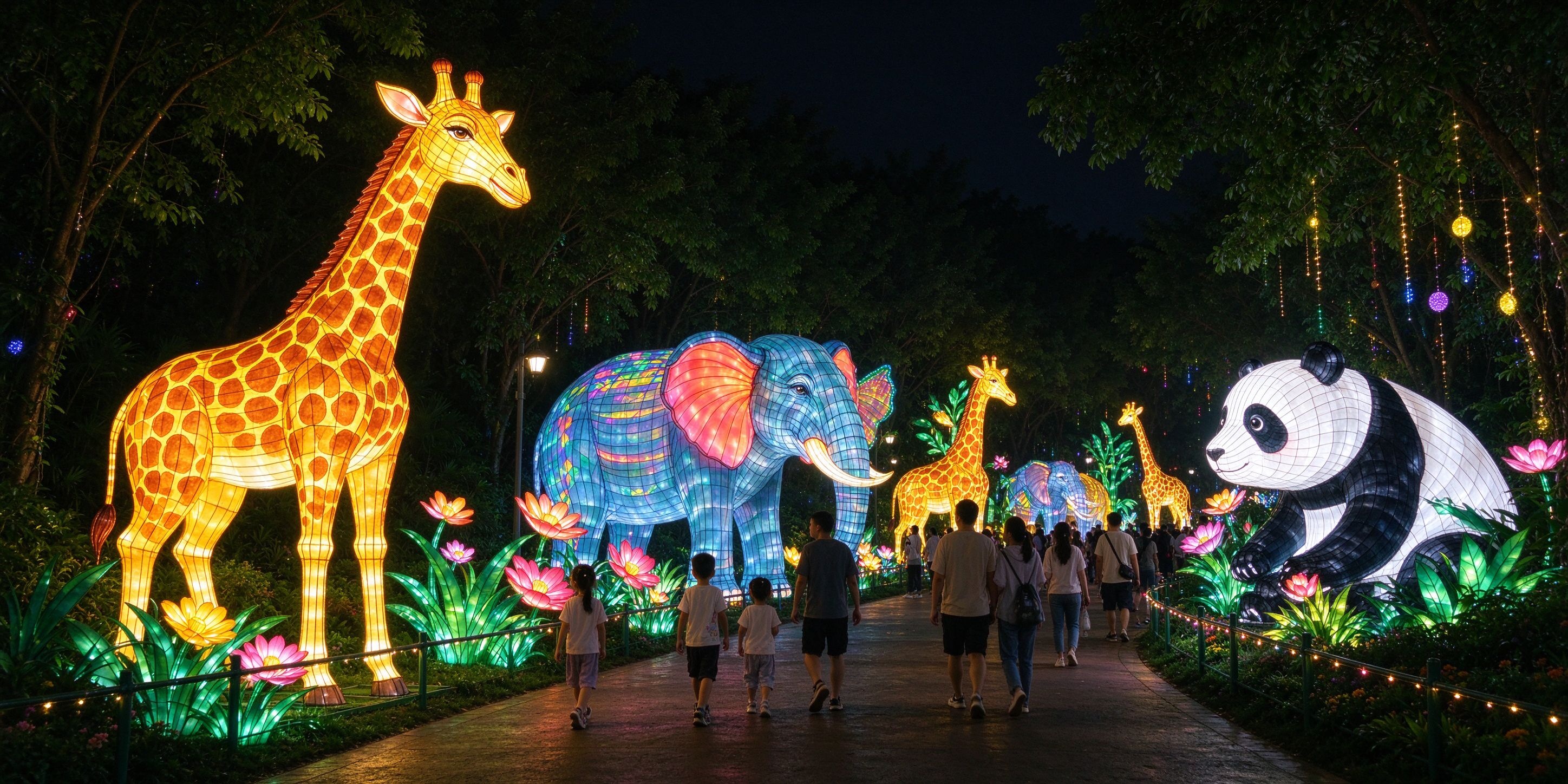
- Family and commercial events: malls, zoos and theme parks benefit from LED's animation and interactivity, especially for lunar new year lanterns or holiday programmes that must keep content fresh across months.
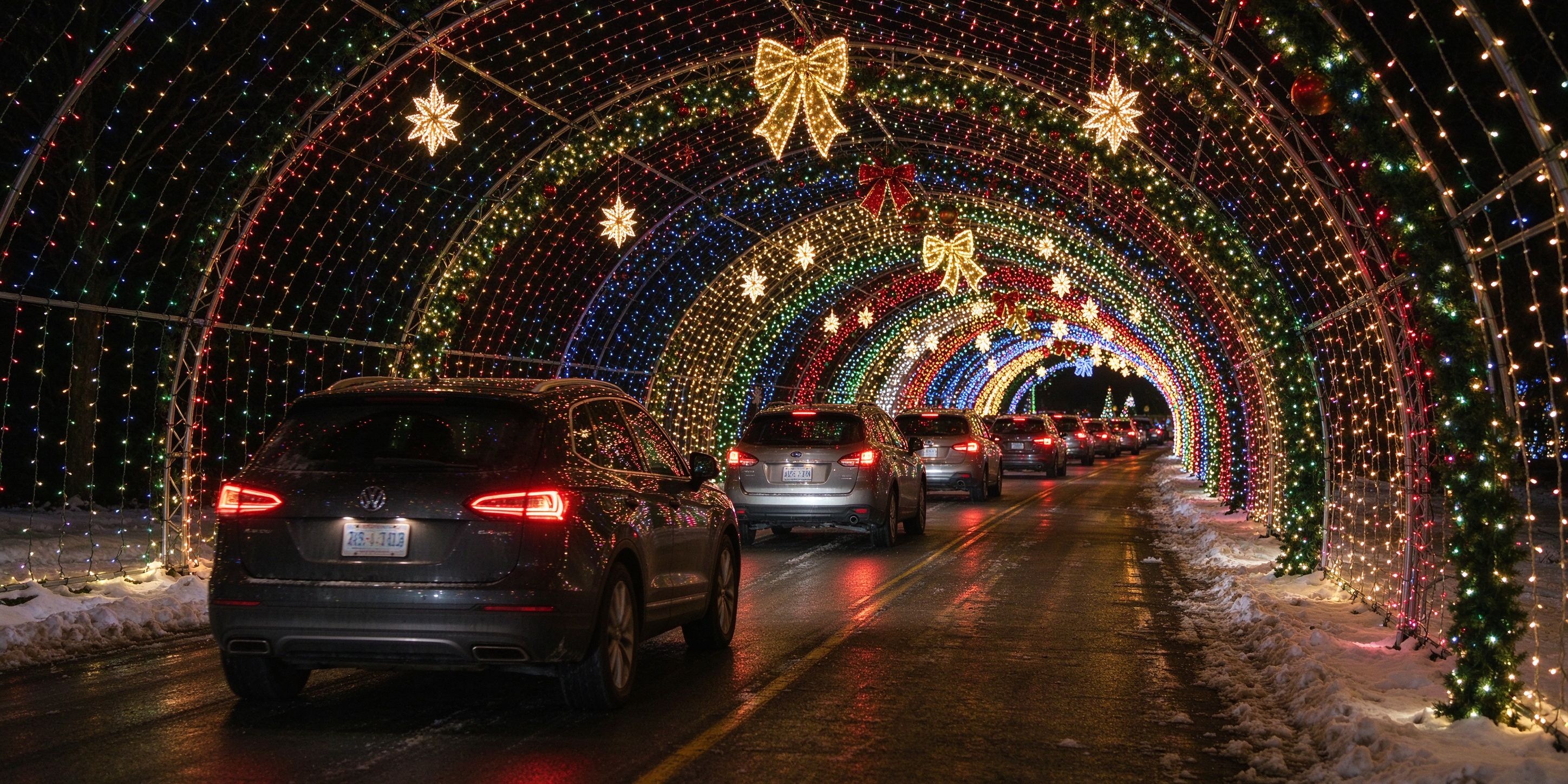
- Mixed festivals: the strongest layouts use both — silk for the hero traditional pieces such as a Chinese palace lantern or a lotus flower lantern, and LED for tunnels, arches and light sculptures like the geometric sphere light sculpture.
Sustainability Considerations
Environmental performance is increasingly part of the procurement conversation for public events. LED lanterns win on energy, but silk offers a different kind of sustainability: it is a natural, renewable material produced by skilled craftspeople, and a well-maintained silk piece carries cultural and artisanal value that a mass-produced plastic LED form cannot match. The most responsible programmes blend the two — LED for energy-hungry illumination, silk for the pieces that matter culturally — and specify recyclable packaging and modular components that can be repaired rather than replaced. Venues that publish their sustainability metrics find that the combination of LED efficiency and heritage craft tells a compelling story to sponsors, municipalities and the public alike.
Making the Call
Start with your audience and your story, then let the engineering follow. If the event is about cultural heritage, invest in silk quality — and light it with LEDs to control energy. If the event is about spectacle and repeat visits, lead with LED and add silk accents for warmth. If the season is long or the climate harsh, weight the balance toward LED. And if the budget is tight, remember that a smaller display of excellent silk pieces outperforms a larger display of cheap, fragile ones — quality reads to visitors immediately.
Conclusion
Silk and LED lanterns are complementary, not competing. Silk brings warmth, tradition and photographic beauty; LED brings vibrancy, animation, efficiency and durability. The best festival displays use each where it excels — and the best suppliers help you blend them without compromise. Our factory has built both since 2002: hand-finished silk lanterns and programmable LED sculptures, often in the same festival. Tell us your theme and climate, and we will recommend the mix that delivers the look you want within the operating budget you can sustain.
Ready to start your project? Contact the Lantern Festival team at our contact page or call +86 13990006666 for a free consultation and quotation within 48 hours.