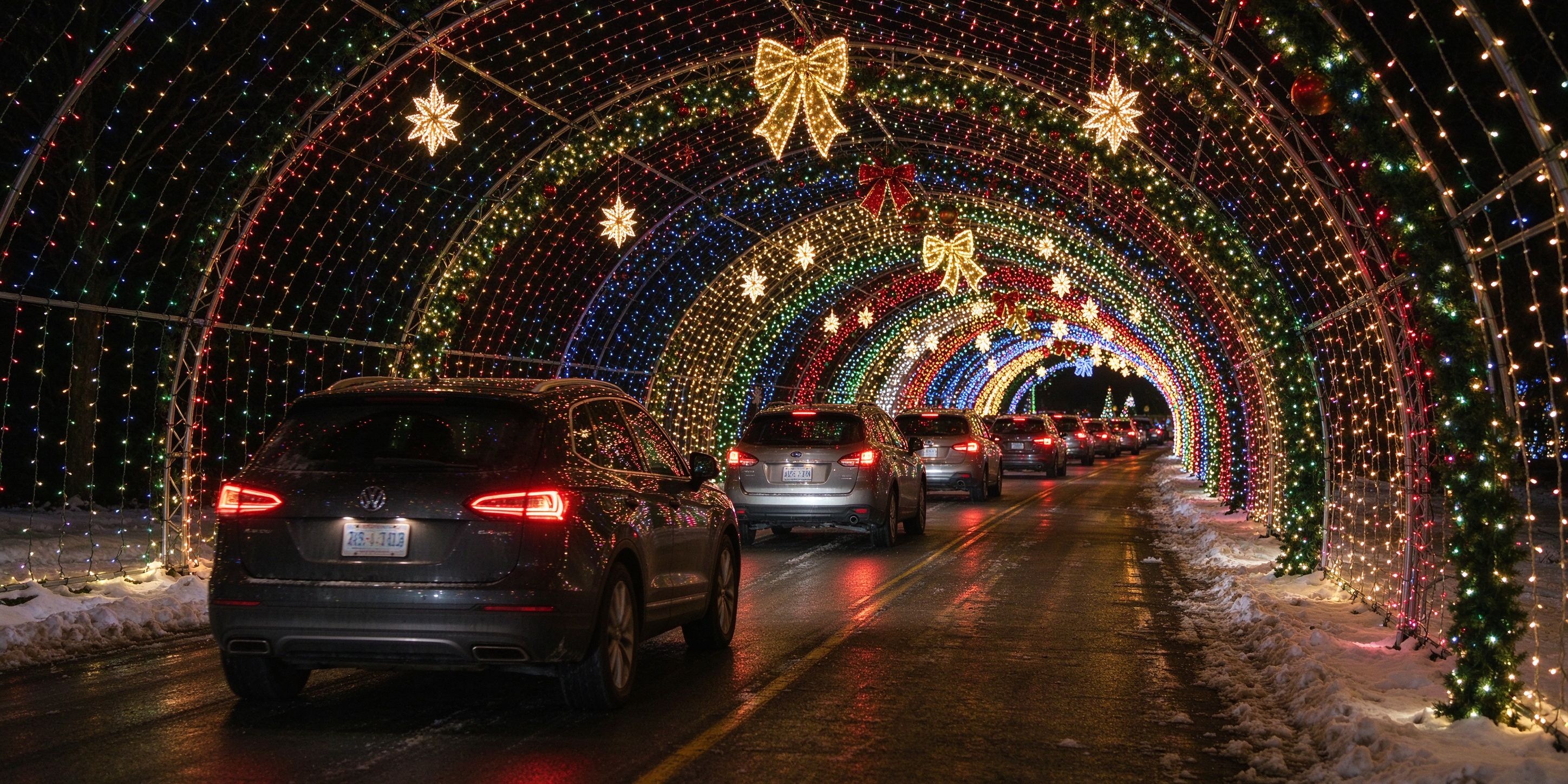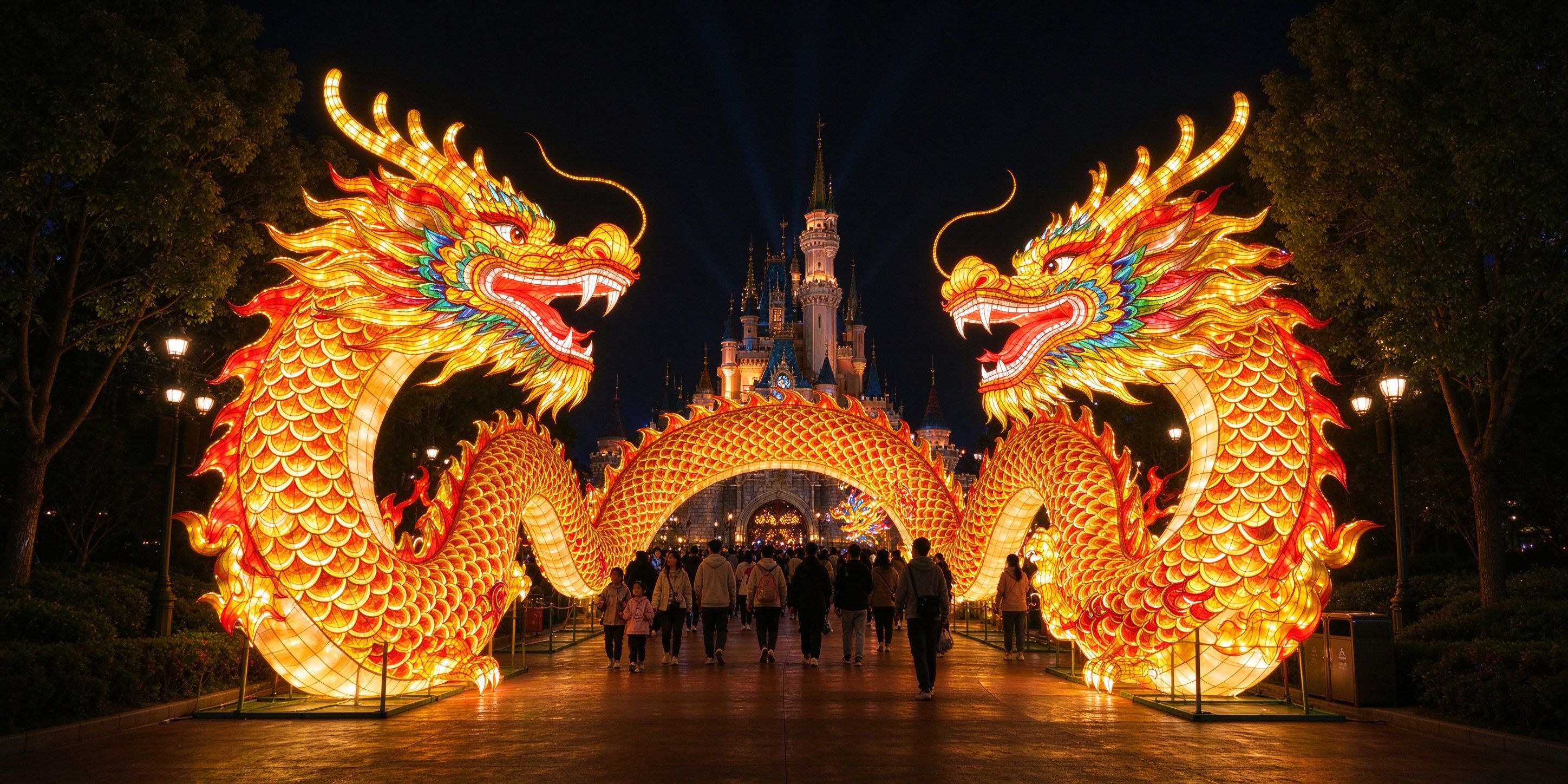
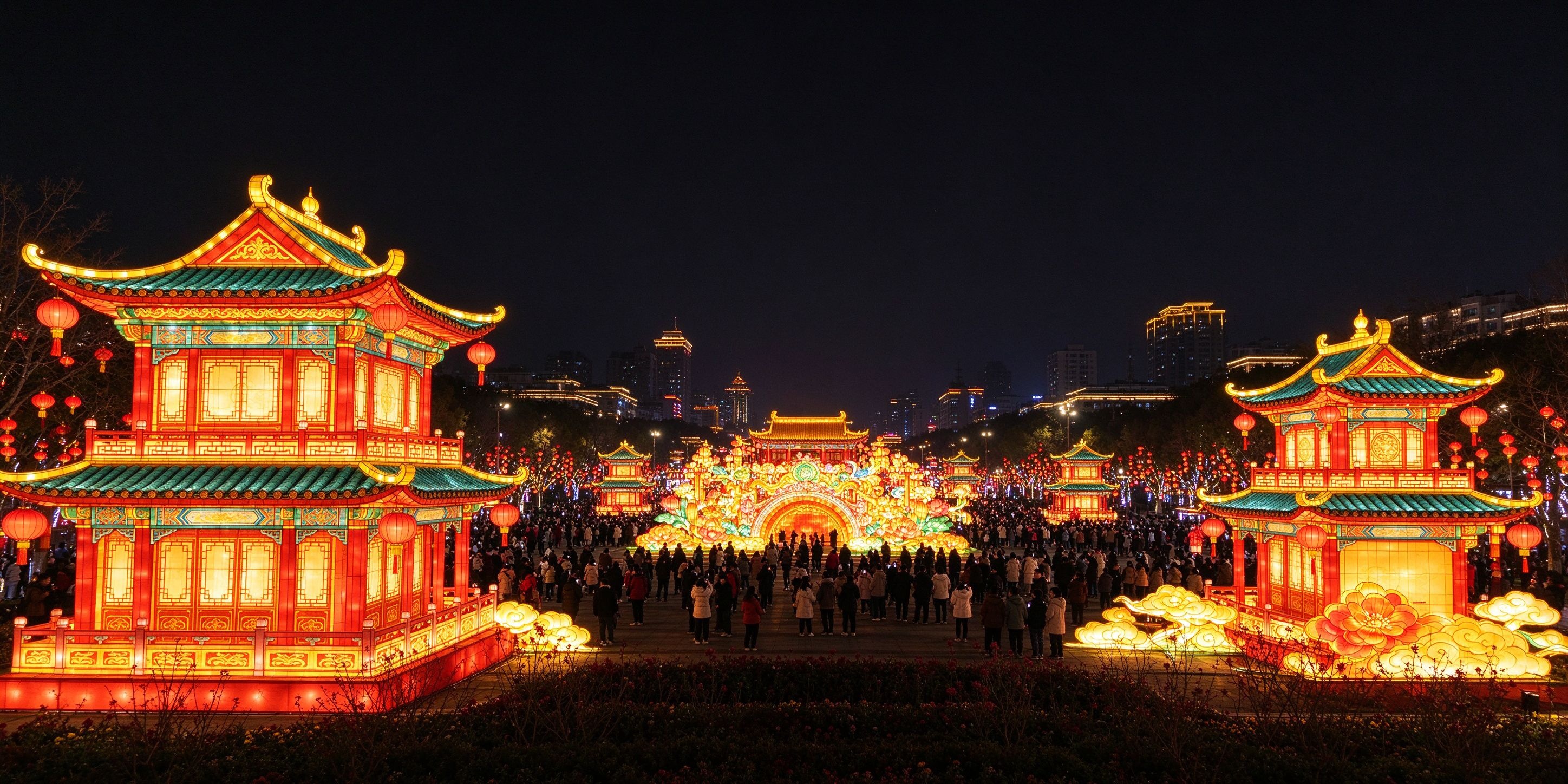
The LED revolution is the biggest technical change in lantern-making since electricity itself. It has cut energy use by up to 80 percent, multiplied creative possibilities and turned static displays into programmable experiences. For festival organisers and B2B buyers, understanding the technology behind modern lanterns is the key to specifying equipment that performs, saves money and dazzles audiences. This guide explains the LED systems inside contemporary lanterns — and the creative doors they open.
Why LED Changed Everything
Traditional festival lighting used incandescent sources: bright, warm, but inefficient and short-lived. LEDs convert far more of their energy into light rather than heat, which delivers three immediate advantages. First, energy: a lantern lit by LEDs consumes roughly a quarter of the power of an equivalent incandescent display — across a festival of several hundred lanterns, the saving is often 60 to 80 percent of the lighting electricity bill. Second, lifespan: LED modules rated for 50,000-plus hours serve many seasons, against hundreds of hours for incandescent lamps. Third, control: LEDs can be dimmed, coloured and sequenced electronically, which is what enables the animation audiences now expect.
How LEDs Work Inside a Lantern
A modern lantern uses low-voltage DC LED systems — typically 12V or 24V — mounted inside the steel frame and aimed through the silk or acrylic covering. The modules come in several forms: LED strips for outlining and edges, LED modules for point illumination, and addressable pixels for animation. Power is distributed through IP65 waterproof connectors to a central control cabinet, and a controller drives the colour and sequence logic. Because the system is low-voltage at the lantern, it is safer, simpler to install and easier to maintain than a mains-voltage installation.
Energy Efficiency: The Numbers That Matter
Energy is increasingly a procurement criterion, and the numbers justify it. A large display that once drew 200 kW of incandescent power typically runs on 40 to 60 kW with modern LEDs. At typical commercial electricity rates, over a ten-week season that difference can reach five figures for a substantial installation — enough to fund next season's refresh. LED systems also produce negligible heat, which matters inside enclosed lanterns where hot lamps could damage silk or create fire risk. When evaluating suppliers, ask for the power draw per lantern and per circuit, and build the energy cost into your total cost of ownership.
Colour and Control: The Creative Layer
Colour temperature and rendering
LED colour is specified in two ways: colour temperature (warm white at around 2700K through to cool white at 6000K+) and RGB colour mixing. Warm white is the default for traditional silk lanterns — it preserves the heritage glow that audiences associate with a chinese new year lantern or a spring lantern festival piece. RGB and addressable systems allow full-colour animation: a peacock's tail cycling through hues, a dragon breathing colour in sequences, a canopy shifting with music.
Control systems
The control layer is what separates a display from a decoration. DMX controllers drive large installations with precision, and modern systems are programmable on site: one operator can redesign the entire sequence from a laptop, running different moods for weekdays, weekends and specific holidays. Addressable pixels take this further, allowing effects that travel along a structure — a chase along a dragon's spine, a wave through a tunnel. This reprogrammability is the key to running one asset across multiple events, from a diwali light display to a halloween light show to a festive winter programme.
Durability and Weather Performance
Outdoor LED systems must survive rain, frost and wind for a full season. The critical specification is IP rating: IP65 waterproofing means protection against jets of water, which is the working standard for outdoor festival equipment. Insist on IP65 for all outdoor modules, waterproof connectors and sealed control cabinets. In cold climates, specify LEDs with appropriate operating temperature ranges, and confirm the drivers and power supplies are rated for the venue's conditions. A properly specified LED system performs reliably for many seasons; an under-specified one fails in week two.
Creative Possibilities Worth Planning For
- Animated hero pieces: a starburst light sculpture that pulses, a crystal tree light sculpture whose branches shimmer in colour gradients.
- Reactive and interactive lighting: sensors that trigger colour changes as visitors pass, or sound-reactive sequences in tunnels — our color-changing canopy is a favourite.
- Seasonal reprogramming: one installation, many moods — festive colours in December, spring pastels in March, themed sequences for specific cultural events.
- Integrated effects: LEDs synchronised with sound systems, projection and even water features create experiences that static light cannot.
- Data-driven design: because LED systems are programmable, operators can analyse which sequences attract the most dwell time and adjust the display weekly.
Specifying LED Lanterns: A Buyer's Checklist
- IP65 waterproofing for all outdoor components.
- Low-voltage DC circuits (12V/24V) for safety and efficiency.
- Power draw documented per lantern and per circuit.
- On-site reprogrammable control (DMX or equivalent).
- 48-hour burn-in testing before shipping.
- CE/UL certification and a 24-month LED warranty.
- Spare modules and drivers stocked for the season.
The Future of Festival Lighting
LED technology is still moving. Expect wider adoption of addressable pixels at lower cost, tighter integration of light with sound and projection, and a continued emphasis on energy accountability as venues publish sustainability metrics. The trend that matters most for buyers is programmability: the lanterns you buy in 2026 should be an asset you can reshape for years, not a one-season decoration. Choose technology that can be reprogrammed, refurbished and reused, and your display will keep paying for itself long after the first season ends.
Conclusion
LED lighting has made modern lanterns more efficient, more durable and dramatically more expressive. Energy savings of 60 to 80 percent, lifespans of 50,000+ hours and on-site programmability turn a lantern display into a strategic asset — one that can serve a diwali light display, a halloween light show and a winter festival from the same investment. Specify IP65, low-voltage systems with documented power draw and reprogrammable control, and you will own a display that dazzles tonight and still performs seasons from now. Our engineering team designs and builds LED lantern systems for festivals worldwide — contact us to discuss your display.
Ready to start your project? Contact the Lantern Festival team at our contact page or call +86 13990006666 for a free consultation and quotation within 48 hours.