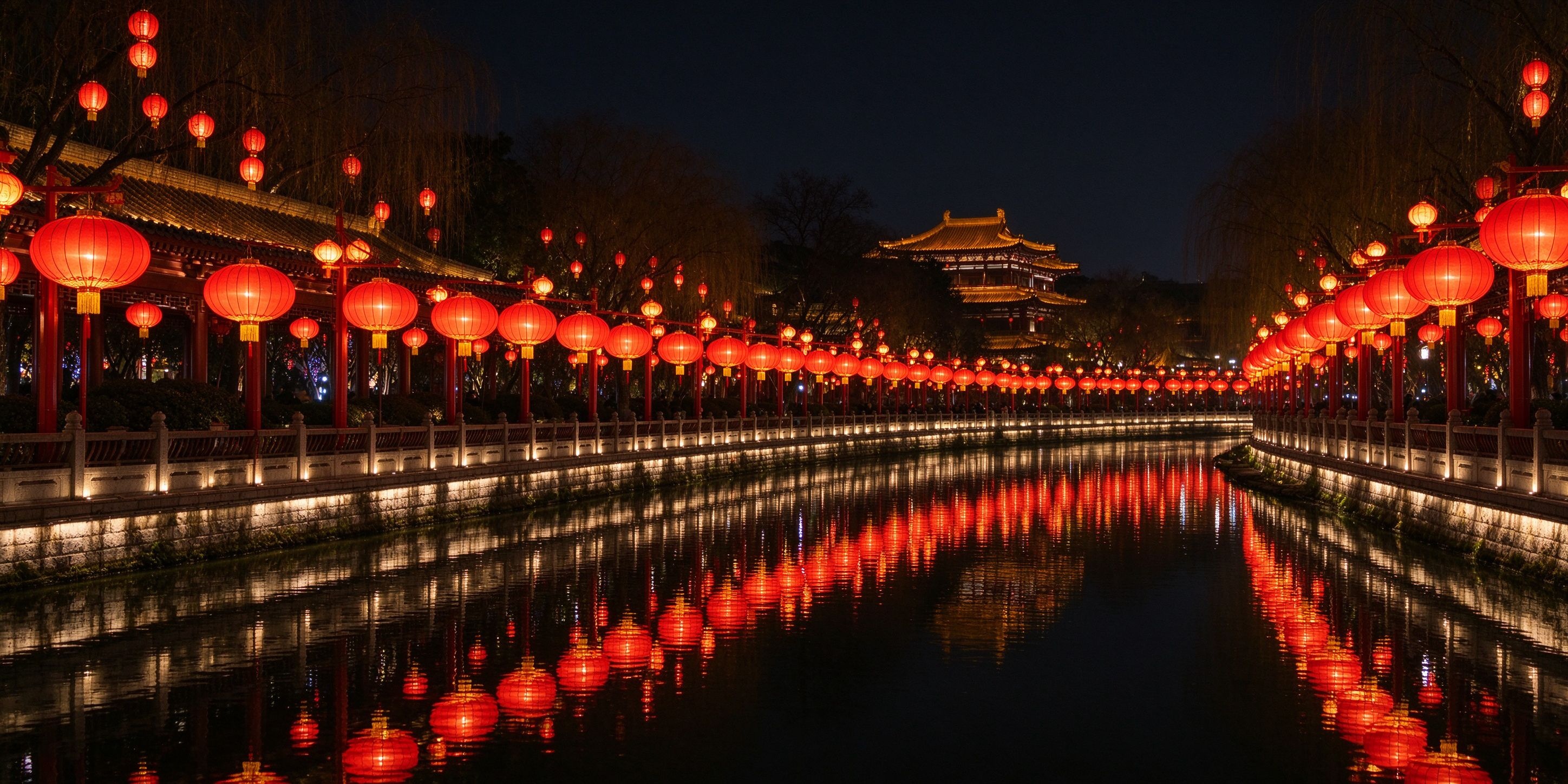
Outdoor light festivals are expensive to build and, when managed well, remarkably profitable to run. The difference between a festival that covers costs and one that delivers a strong return is not luck — it is a deliberate revenue architecture built from tickets, sponsorship, merchandise and partnership income, each priced and sold with intent. This article lays out the revenue model used by successful light festivals, with the pricing logic, sponsorship packages and merchandising tactics that maximise return on every illuminated square metre.
Start with the Cost Structure
ROI only means something against a complete cost picture. The major blocks are the display equipment and its shipping, site works and power, installation and dismantling, permits and insurance, marketing, and operations. For a typical outdoor light festival, equipment is the largest block, which is why asset life matters: a display engineered for five seasons spreads that cost across multiple events. Operators who treat equipment as a multi-year asset consistently report dramatically better ROI than those who view each festival as a one-off purchase.
Ticket Pricing: The Core of the Model
Price against the experience, not the cost
Visitors compare your ticket to the value of the evening — an alternative night out, a family activity, a photo-worthy outing — not to your cost per lantern. A 60-to-90-minute immersive route supports a premium ticket; a fifteen-minute loop does not. Build the route experience first, then set pricing that reflects it.
Pricing architecture that works
- Peak / off-peak differential: weekend and holiday nights at 20 to 40 percent above weekday prices smooths demand and fills quiet nights.
- Timed entry slots: protect the route, manage capacity and enable precise yield management.
- Family bundles: two-adult-two-child packages lift average transaction value and reduce per-ticket friction.
- Season passes: convert visitors into repeat attendees; pass-holders also spend more on food and merchandise per visit.
- Early-bird pre-sales: six-to-eight-week pre-sale windows fund working capital and de-risk the season.
Sponsorship: Packaging the Audience
Sponsors are not buying lanterns; they are buying the audience, the atmosphere and the brand association of a beloved community event. Build sponsorship inventory from the start:
- Naming rights: a headline sponsor's name on the festival and entrance arch commands the highest tier.
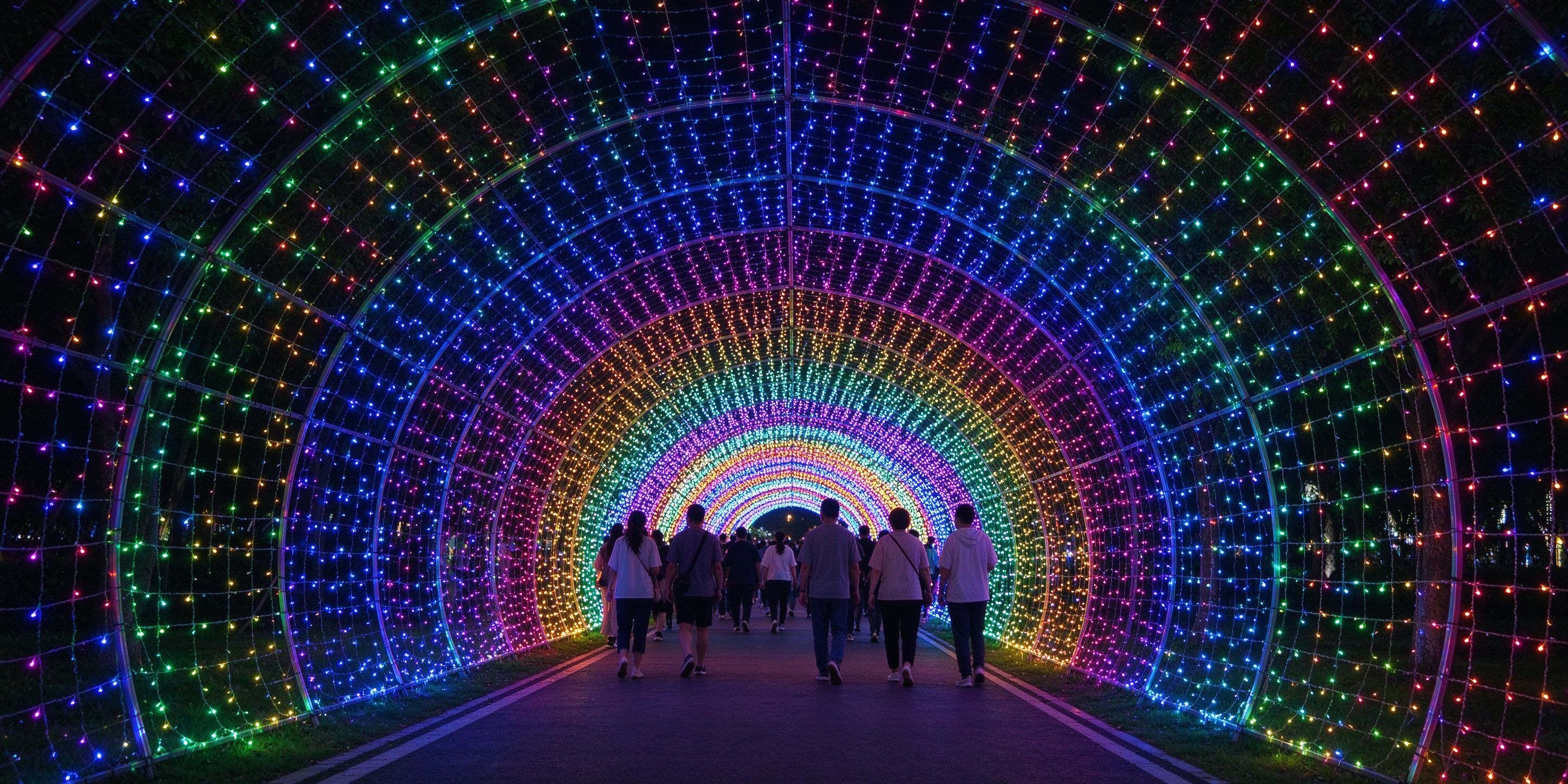
- Zone sponsorship: name the hero zones — "The [Brand] Light Tunnel" — which gives sponsors a physical, photogenic asset.
- Experience sponsorship: food and drink partners, photo packages and premium experiences can be sponsored without diluting the festival brand.
- Cause and community: a charity partner adds goodwill and media reach; corporate sponsors increasingly value the community halo of light festivals.
Price sponsorship tiers against verified attendance and reach — surveyed visitor numbers and social impressions — so sponsors see the return. A festival with clear audience data can raise sponsorship revenue year over year far more reliably than one selling on hope.
Merchandising and Ancillary Revenue
Ancillary income routinely adds 15 to 30 percent to per-visitor revenue at well-run festivals. The highest-performing categories are:
- Premium photo packages: professional photos at signature installations, sold before guests leave the venue.
- Event merchandise: glow products, mini lanterns, festival-branded apparel and souvenirs — impulse purchases at exit points and near hero zones.
- Food and beverage: hot drinks, seasonal food and dessert stalls; whether you operate in-house or licence to vendors, commission or rental terms should be negotiated on your terms.
- Experiences: lantern-making workshops, VIP tours and behind-the-scenes sessions monetise enthusiasm and add editorial content for marketing.
Group and Corporate Sales
Closed nights and reserved zones for corporate parties, school groups and community organisations are high-margin and low-risk revenue. Corporates value private event space in a beautiful setting; schools value structured evening programmes. Dedicate one sales person to group bookings across the season and publish clear packages — group sales are often the difference between a good and a great festival year.
Seasonal Programming: One Asset, Many Events
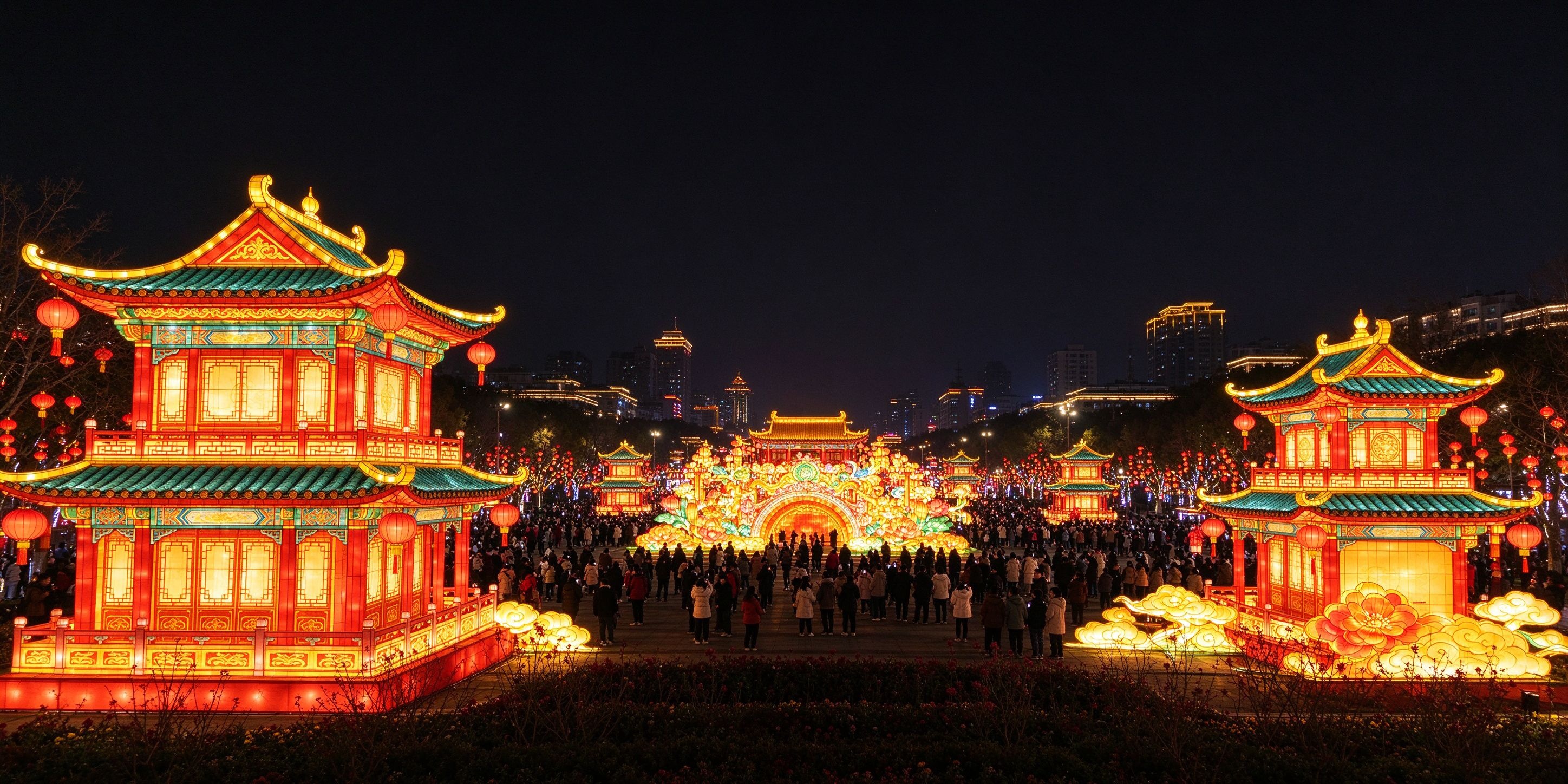
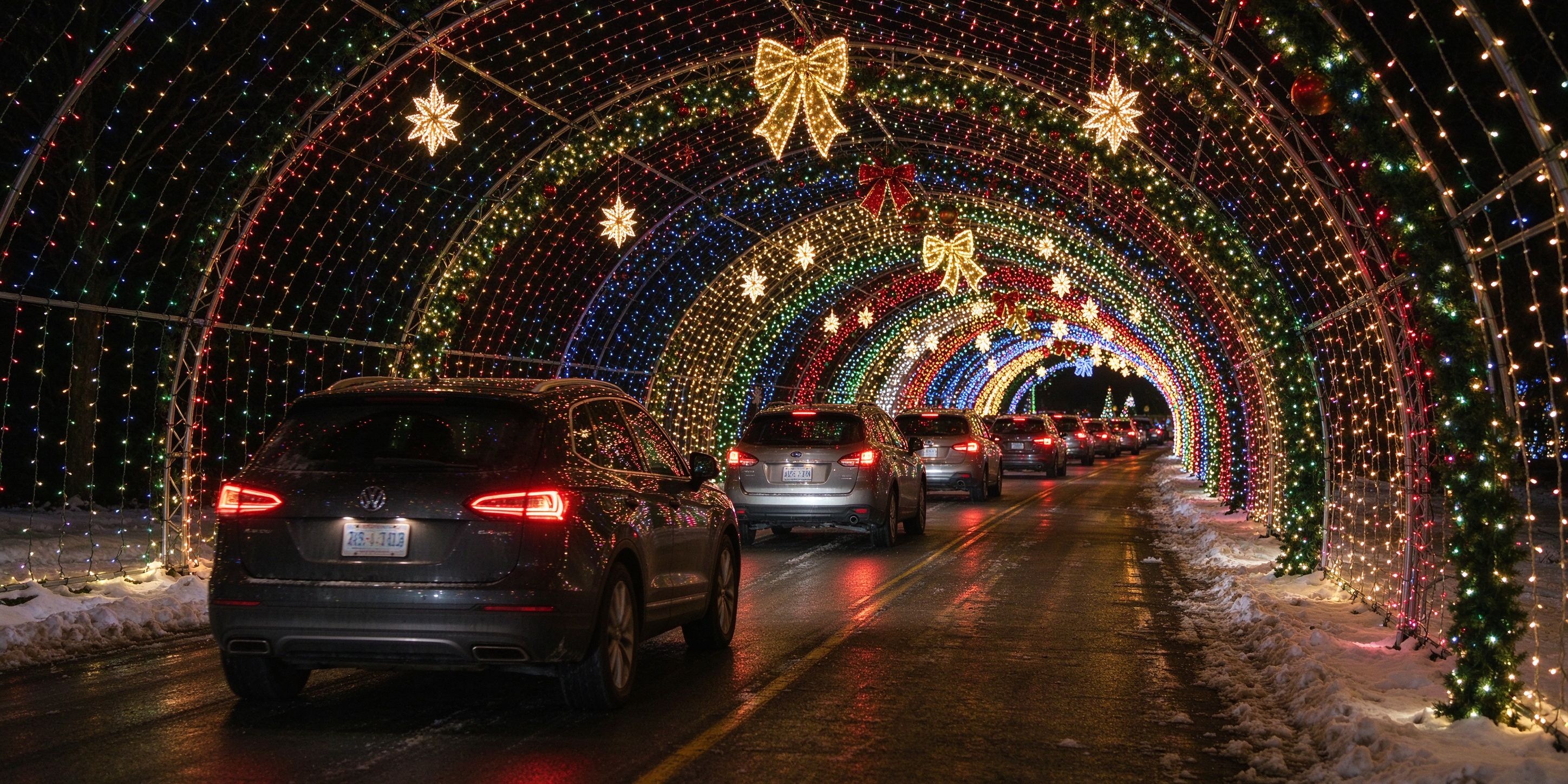
The most effective ROI lever is using the display across multiple ticketed seasons. A modular outdoor light festival can run as a halloween light show in October, a festive new year light display in December and a diwali light display or spring programme early in the year, swapping a percentage of pieces and reprogramming the lighting. The same asset — a LED light tunnel, a carnival float lantern, a new year countdown lantern — serves every event with a fresh look. The fixed costs — equipment, site, power, marketing infrastructure — are largely paid once; every additional ticketed night converts to margin. Operators who plan multi-holiday seasons report second- and third-year ROI multiples that single-season events cannot approach.
Marketing and Demand Generation
Revenue architecture only works if the audience shows up. The most efficient demand channels for light festivals are visual: drone footage, glowing night photography and visitor-generated content outperform almost any other creative. Run a pre-sale campaign with tiered pricing that rewards early commitment, partner with hotels and tourism boards for stay-and-play packages, and build a local media moment around opening night. Retargeting past visitors with next-season offers is consistently the lowest-cost ticket channel, so capture email consent at every purchase and keep the festival in your audience's calendar year-round. A festival that opens with a strong pre-sale pipeline is also a festival that can negotiate sponsorship from a position of strength, because verified demand is the asset sponsors pay for.
Benchmarks to Track
- Cost per visitor: total event cost divided by attendance — the headline efficiency metric.
- Revenue per visitor: ticket plus ancillary spend per head; healthy festivals push this 20 to 40 percent above ticket price alone.
- Attendance per operating night: the yield metric that pricing and marketing tune.
- Social reach per installation: which zones generate impressions, and where to invest next year.
Conclusion
Outdoor light festivals earn their ROI through deliberate revenue architecture: experiences priced against their value, sponsorship packaged around a verified audience, merchandise and groups layered on ticket revenue, and modular equipment programmed across multiple seasons. Track cost per visitor and revenue per visitor from day one, and let the data decide next year's investment. Our team designs and supplies complete outdoor light festival packages — lanterns, tunnels, control systems and engineering documentation — and we are happy to model the revenue case with you before you commit. Contact us for a free consultation and quotation.
Ready to start your project? Contact the Lantern Festival team at our contact page or call +86 13990006666 for a free consultation and quotation within 48 hours.