A holiday lights display business is one of the most capital-efficient seasonal businesses in the events industry. With a single well-located venue, a strong route design and disciplined operations, operators have turned a two-month season into revenues that support year-round staffing. But the sector also has sharp edges: equipment that fails, weather that closes nights and ticket pricing that misses the market can erase a season's profit. This guide walks through the business case, the startup costs, the operating model and the decisions that separate profitable holiday lights companies from costly experiments.
Is There a Market?
The evidence says yes. Ticketed holiday light events have grown steadily across North America, Europe and Asia as families look for safe, outdoor, seasonal experiences. A holiday lights display monetises a window — roughly six to twelve weeks — when indoor venues are saturated and outdoor attractions are closed. The audience is broad: families with young children, date-night couples, school groups and corporate parties. The business works because demand is predictable and repeatable: households that enjoy one season return the next, and word-of-mouth plus seasonal media momentum drives ticket sales with relatively low acquisition cost.
Startup Costs: The Honest Numbers
Model the business on a single flagship venue first. Realistic startup buckets are:
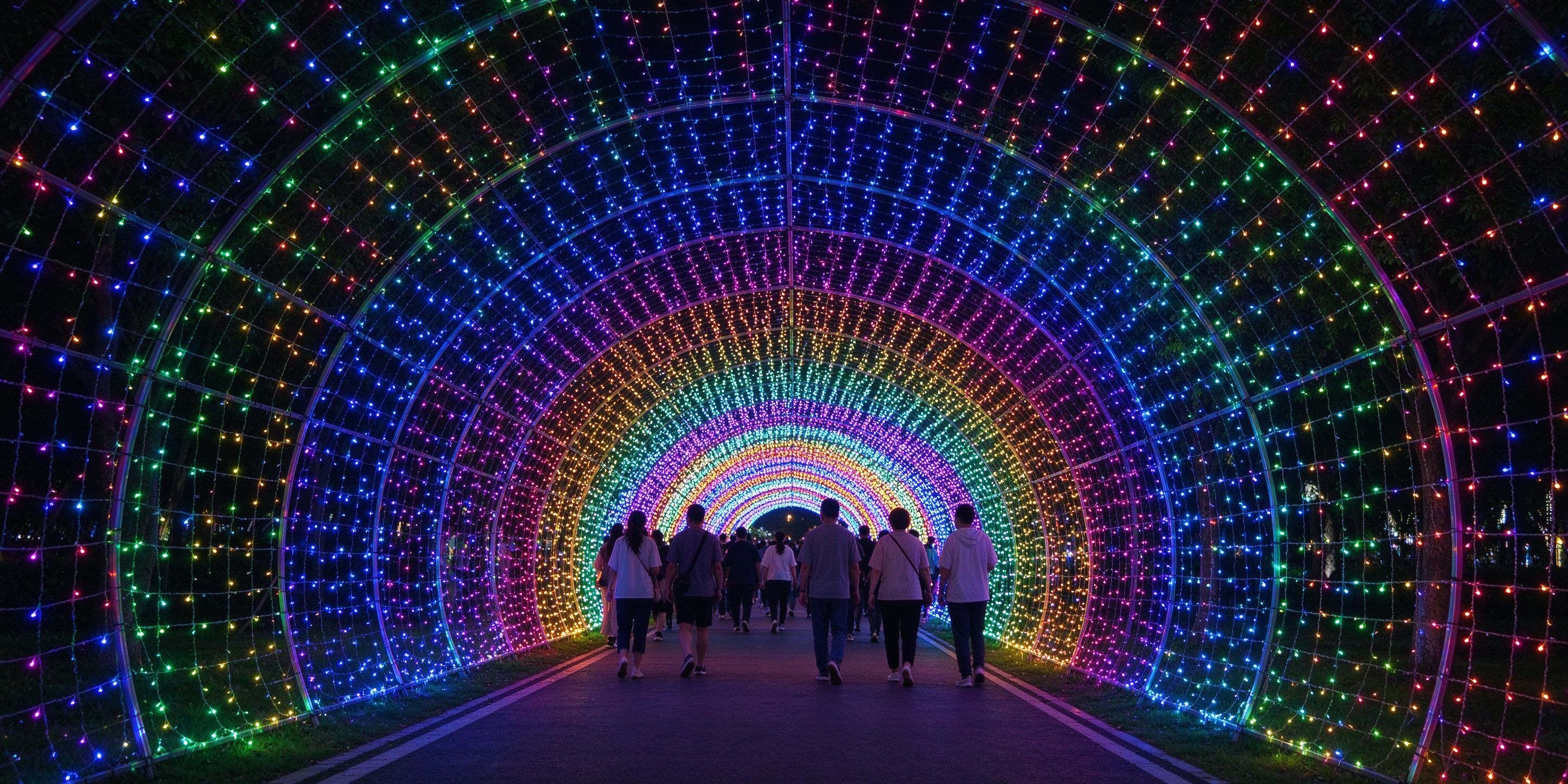
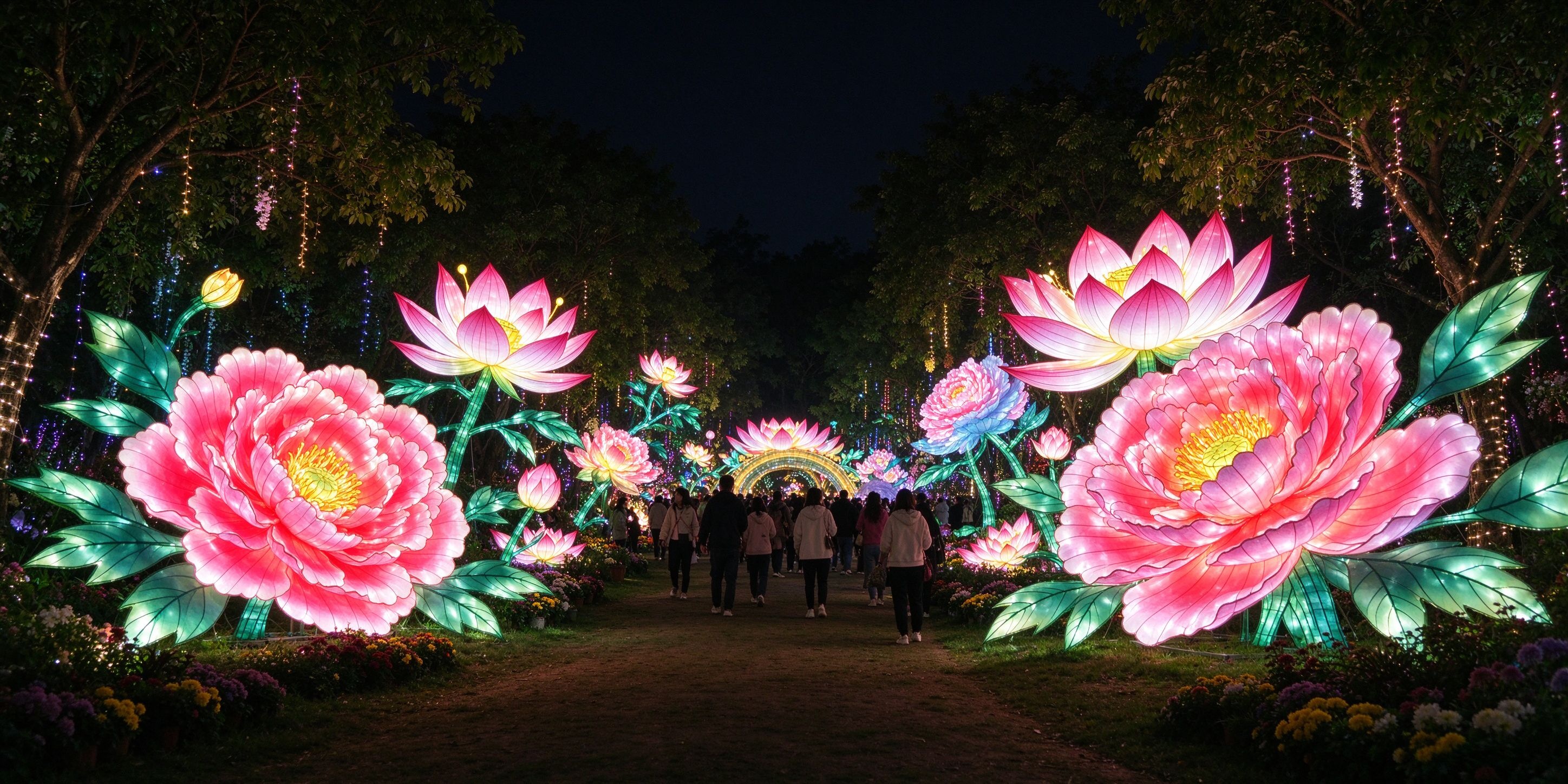
- Equipment (the display): the dominant cost. A credible first-year display with a welcome arch, 20 to 40 lanterns or light sculptures, a tunnel and supporting fill costs from tens of thousands to low hundreds of thousands of dollars depending on scale and customisation. Buying proven, weather-rated equipment — such as our giant Christmas tree lantern, candy-cane path lantern and light archway installation — protects the asset across multiple seasons.
- Site costs: lease or licence for the venue, ground preparation, power distribution and insurance.
- Installation: two to four weeks of crew time, cranes for large pieces and the engineering documentation local authorities require.
- Ticketing and marketing: platform fees, creative, media and pre-launch campaigns.
- Operations: staffing, security, utilities and contingency.
A common mistake is undersizing the display to save money, then discovering that ticket pricing cannot support a route that visitors finish in fifteen minutes. Right-size the experience to the ticket price: a 60-to-90-minute route justifies premium pricing; a quick loop does not.
Revenue Model and Pricing
Ticket architecture
- Peak and off-peak pricing: weekends and holiday nights at a premium, weekday evenings discounted to fill capacity.
- Timed entry: protects the route from overcrowding and lets you sell capacity precisely.
- Family packages: a bundle price for two adults and two children lifts average transaction value.
- Group and corporate: school bookings, corporate parties and venue hire on closed nights are high-margin add-ons.
- Season passes: a "visit as many times as you like" pass converts one-time visitors into repeat attendees and smooths demand.
Ancillary revenue
Merchandise, premium photo packages, hot food and drink partnerships and lantern-making workshops typically add 15 to 30 percent to per-visitor revenue. Some operators find that add-ons, not tickets, are the real profit engine.
Season ROI and the Multi-Year Picture
The honest way to evaluate a holiday lights display business is over three seasons. Year one carries full equipment and installation cost and is often the breakeven-to-moderate-profit year. Years two and three are where the model shines: the display is already paid for, so incremental seasons convert almost entirely to margin, with refresh purchases limited to a percentage of new pieces. Operators who plan a three-year asset life — and buy equipment built for it — consistently report that the third season is the most profitable by a wide margin.
Operations That Protect the Season
- Weather contingency: define the rainfall and wind thresholds for closing nights, and communicate the refund/reschedule policy to customers before they buy.
- Nightly inspection: a pre-open sweep of cabling, anchoring and lighting continuity is non-negotiable.
- Staffing: plan marshals, ticketing, first aid and a duty manager who can make decisions on site.
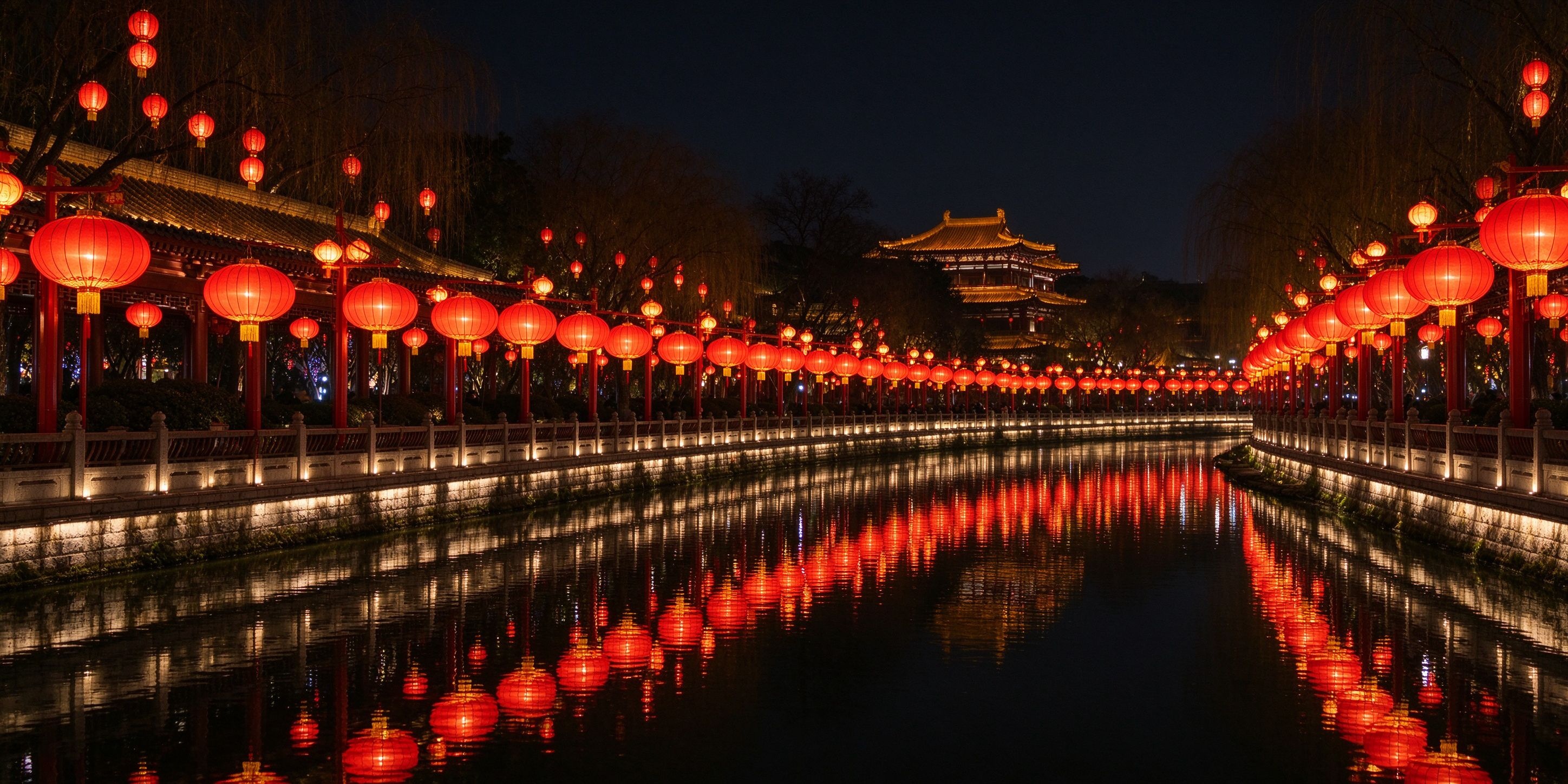
- Season extension: the strongest operators programme their route across multiple holidays — a new year light display running into chinese new year lights in January and February — so the same fixed costs serve more ticketed nights.
Marketing and Launch
A holiday lights display sells on anticipation, so the marketing calendar is as important as the operations calendar. Launch pre-sales six to eight weeks before opening, publish drone and teaser content early, and book local media previews for the soft opening two nights before the public launch. Seasonal timing matters: a new year light display announced in early autumn reaches families just as they plan winter activities, and a programme that extends into chinese new year lights keeps the conversation alive after Christmas. Email lists and past-visitor databases are your lowest-cost channel — capture every buyer's contact at ticket purchase and communicate the season calendar early. Operators who launch with a full pre-sale pipeline open with confidence and cash in the bank.
Vendor Selection for Startups
Your equipment supplier is your co-founder in this business. Choose a light display manufacturer who can document IP65 weather ratings, provide CE/UL certification, engineer for wind load, ship modular pieces that your crew can install, and support you with spares during the season. Ask for a three-year total-cost projection — the supplier who can quantify energy, maintenance and lifespan is the supplier who understands your business model. Avoid suppliers who cannot show certification or who treat your order as a one-off sale rather than a multi-year partnership.
Scaling the Business
Once the flagship venue works, the natural expansion paths are: a second venue in a different catchment, a drive-through format to monetise capacity that walk-through events cannot reach, and a B2B arm that supplies displays to malls and municipalities. Each scale step reuses the management playbook — route design, operations, pricing — that you validated in year one. The capital efficiency of a holiday lights business is its superpower: one display asset, many seasons, many venues.
Conclusion
Starting a holiday lights display business is a real, repeatable venture — but it is won on equipment quality, route design and operational discipline, not on enthusiasm. Budget for a right-sized experience, price tickets for the route you actually build, plan a three-year asset life, and choose a supplier who stands behind weather, structural and electrical performance. The Lantern Festival team has helped operators across the world launch their first seasons; contact us for a free consultation, a display package tailored to your site and a quotation within 48 hours.
Ready to start your project? Contact the Lantern Festival team at our contact page or call +86 13990006666 for a free consultation and quotation within 48 hours.