The difference between a light display that runs smoothly for years and one that fails on opening night is usually decided before a single lantern is ordered: the choice of supplier. For B2B buyers — zoos, theme parks, municipalities, malls, event companies and cultural institutions — a light sculpture supplier is a long-term engineering partner, not a commodity vendor. Here are the ten factors we believe deserve scrutiny, based on two decades of supplying illuminated sculptures to more than forty countries.
1. Certifications and Compliance Documentation
This is the first filter, because it is non-negotiable. A serious supplier can provide CE and UL certification for lighting systems, IP65 waterproof ratings, and documentation for the voltage configuration (110V, 220V or 240V) your market requires. For large sculptures, ask for structural wind-load calculations and anchoring guidance. If a supplier cannot produce these documents, walk away — your venue's insurance and local electrical inspection will demand them eventually, and retrofitting compliance is always more expensive than buying it.
2. Engineering Capability, Not Just Artistry
Beautiful concept art is cheap; engineering is expensive. Evaluate whether the supplier employs structural engineers who can calculate wind loads, weight distribution and modular assembly. Ask how they handle a 10-metre illuminated sculpture in a windy coastal park, or a light display mounted on a mall roof. The best suppliers treat engineering as part of the product, and they will show you the calculation process, not just the pretty picture.
3. In-House Design and Customization
Custom light displays are the norm in B2B procurement, so confirm that design, pattern-making and fabrication sit under one roof. A supplier that outsources its design cannot control quality, timing or intellectual property. At our factory, every custom lantern display is developed in-house from concept sketch to 3D model to production, which is how we deliver consistent quality and protect clients' exclusive designs.
4. Material and Build Quality
Inspect the material specification as closely as the price. Premium pieces use galvanised or corrosion-treated steel frames, UV-stable paint systems, and silk or waterproof acrylic covering. Ask about the steel gauge, the coating process and the fabric's weather resistance. A supplier who cannot state these specifications in writing is signalling that the product is not engineered for outdoor life.
5. Lighting Technology and Control
Modern LED light sculptures should offer animation and reprogrammability. Confirm the LED modules are addressable, that a DMX or equivalent control system is included, and that sequences can be reprogrammed on site. Energy efficiency matters too: LED systems cut power consumption by up to 80 percent versus incandescent, and buyers increasingly need the energy data for their own sustainability reporting.
6. Realistic Lead Times and Schedule Honesty
Ask for a production schedule with milestones — design approval, frame fabrication, covering, painting, lighting, QC and shipping. Standard pieces typically ship in 30 to 45 days; large custom sculptures take longer. Beware of suppliers who quote impossibly fast lead times, because quality control is the first casualty of a rushed schedule. A supplier who shares milestone photos through production is a supplier you can trust to meet your opening date.
7. Shipping, Packing and Installation Support
International buyers should evaluate export experience. Does the supplier handle customs documentation? Are lanterns packed in reinforced crates suitable for sea freight? Is modular assembly documented so your local crew can install without factory presence? Our shipments include assembly drawings, wiring diagrams and installation manuals, and our engineers provide remote video guidance — factors that turn a complex installation into a manageable two-week site job.
8. Quality Control and Testing Protocols
A supplier's QC protocol tells you how they define quality. Look for 48-hour LED burn-in testing, circuit continuity and insulation testing, illumination checks on every silk panel, and structural verification on large pieces. Ask for the test reports or, better, visit the factory and watch the QC line. Clients who audit our workshop consistently say the same thing: the QC stage is what separates a lantern factory from a lantern workshop.
9. Warranty, Spares and After-Sales Support
The relationship does not end at delivery. Industry norms are a 12-month structural warranty and 24-month LED coverage, with spare modules stocked for the display season. Ask how the supplier handles a failed LED driver in week six of your festival, and whether support is available across time zones. After-sales responsiveness is the factor that protects your opening night and your second season.
10. References and Proven Delivery
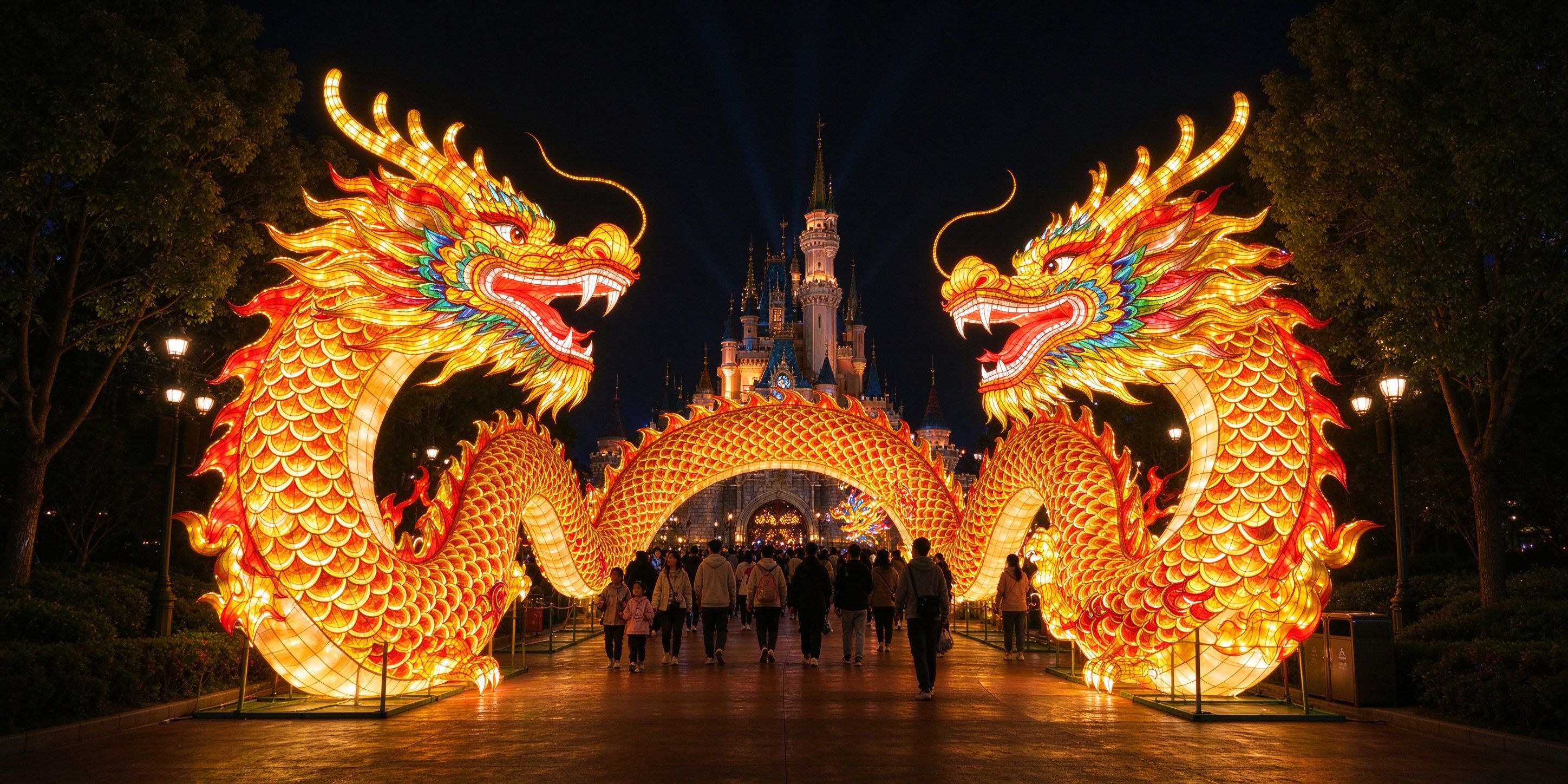
Finally, verify the supplier has done this before — at your scale, in your region, for your type of venue. Ask for references from zoos, theme parks, malls or municipalities comparable to yours, and check whether the supplier can accommodate the full range of seasonal programming you are planning. A supplier experienced with a diwali light display, a chinese new year lights programme and a summer garden show understands that your sculptures are an asset to be programmed across the year, not a single-event decoration.
Total Cost of Ownership: Beyond the Invoice
B2B buyers should evaluate a light sculpture supplier on total cost of ownership, not unit price. The components of that cost are the purchase price, shipping and customs, installation labour, energy consumption across the display season, maintenance and spares, and the residual value of the asset in future years. A cheaper sculpture that fails IP65 standards may consume two or three times more energy, require mid-season repairs and need replacement after two seasons — erasing the initial saving. A higher-specification piece built for reuse can serve five or more seasons, which is why venues that track total cost of ownership consistently end up with the supplier who documents material quality and energy data, not the one with the lowest quote. Ask your shortlisted suppliers for a five-year cost projection including power, spares and maintenance; the comparison is often surprising.
Red Flags to Avoid
- No certification documents, or vague answers on IP ratings and voltage.
- No engineering drawings or wind-load calculations for large pieces.
- Unwillingness to share milestone photos or factory audit access.
- Lead times that contradict the complexity of the order.
- No structured warranty or spare-parts commitment in writing.
Conclusion
Choosing the right light sculpture supplier is a risk-management decision as much as a purchasing decision. Certifications, engineering, build quality, lighting control, honest schedules, shipping support, QC, warranties and references are the ten factors that separate a dependable partner from a costly gamble. Our factory has supplied starburst light sculptures, LED heart sculptures and complete festival displays worldwide since 2002 — and we welcome the scrutiny that these ten factors demand.
Ready to start your project? Contact the Lantern Festival team at our contact page or call +86 13990006666 for a free consultation and quotation within 48 hours.