A Chinese lantern festival is one of the most visually spectacular events an organizer can deliver, but behind the glowing dragons and silk pavilions is a supply chain that must be sequenced with precision. From the first concept meeting to opening night, a full-scale event typically takes nine to twelve months. This step-by-step guide distils two decades of producing lantern festivals for municipal governments, theme parks, zoos and cultural institutions into a planning framework that any event organizer can follow.
Phase 1: Concept and Feasibility (Month 12 to 9)
Define the scope before you spend a dollar
Start with the numbers. How many visitors do you need to break even? What is the venue's night-time capacity? What dates are locked in — lunar new year lanterns for a January or February opening, a spring lantern festival for March, or a summer cultural exchange? These answers shape everything downstream, including the budget, the route and the size of the lanterns you commission.
Assemble the team
- Event owner: the institution or municipality funding the festival.
- Design lead: a lantern festival design company that translates your story into sketches and 3D models.
- Production partner: the lantern factory that fabricates the displays.
- Operations: site management, security, first aid, ticketing and marketing.
Many organizers make the mistake of treating the lantern supplier as a last-minute vendor. In reality, the supplier's engineering team should be at the table in month ten, because lead times for large custom lanterns — 30 to 45 days for standard pieces, longer for hero sculptures — are among the longest dependencies in your schedule.
Phase 2: Budgeting (Month 9 to 7)
A transparent budget protects every later decision. The major cost blocks for a typical outdoor Chinese lantern festival are:
- Lantern fabrication and shipping: 45 to 60 percent of total cost for a fully supplied event.
- Site works: power distribution, ground preparation, foundations and cabling.
- Installation and dismantling: crane hire, rigging teams and transport.
- Permits, insurance and compliance: electrical inspections, fire safety sign-off and public liability cover.
- Marketing and ticketing: pre-sale platforms, creative and media.
- Operations: staffing, security, cleaning and utilities across the run.
Build in a 10 to 15 percent contingency. Weather, customs delays and last-minute compliance requests are the most common sources of cost overrun in international lantern festival projects.
Phase 3: Site Selection and Layout (Month 7 to 5)
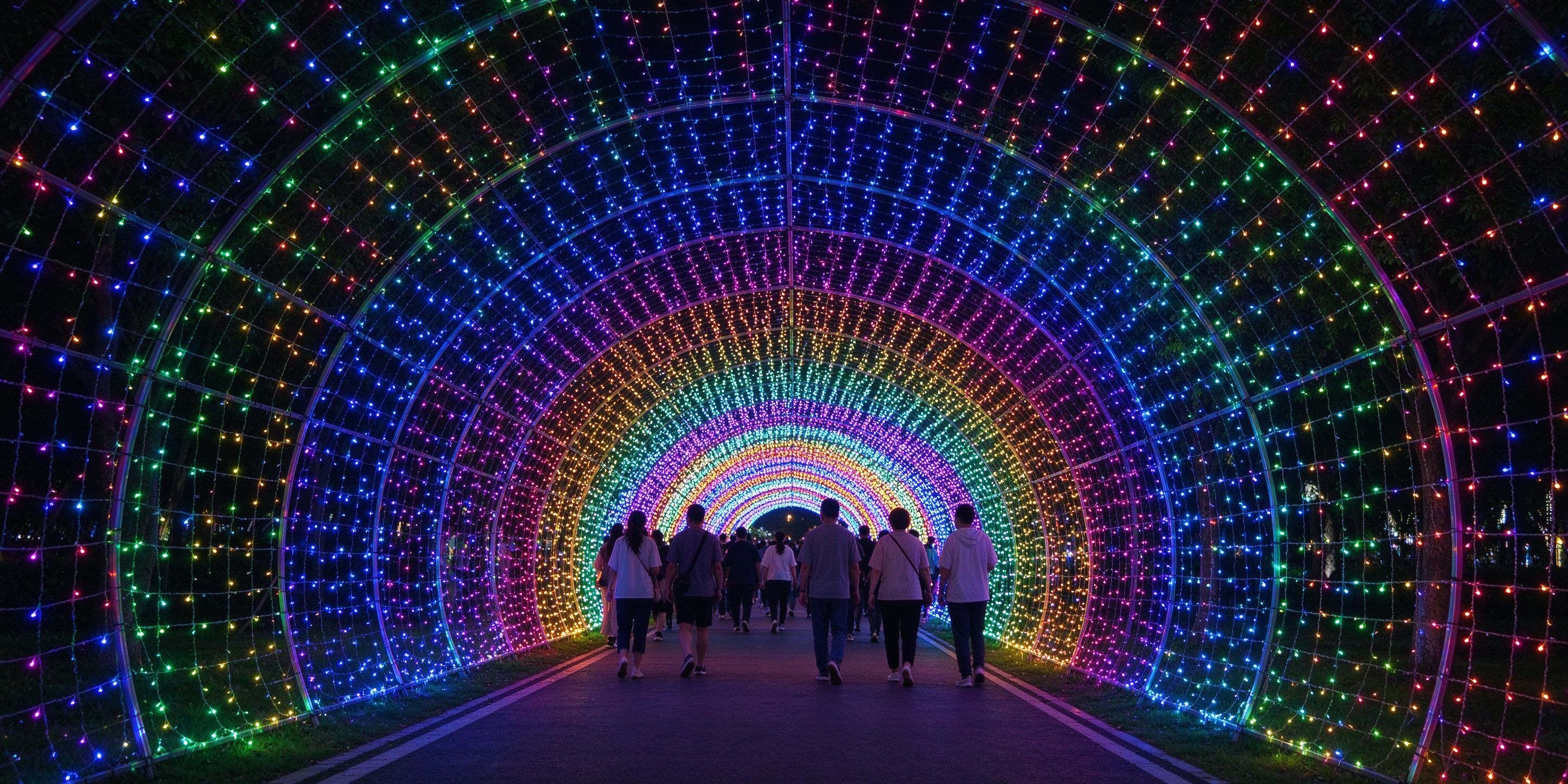
The venue determines what is possible. Look for flat, well-drained ground, existing power capacity (or budget for a generator), good public transport access and a natural route shape. Once the site is confirmed, work with the supplier to place the hero lanterns first, then the supporting displays. Standard layouts include the welcome arch, a ceremonial entrance, themed zones, a light tunnel and a finale area such as a giant dragon or pagoda. Request a scaled site plan and 3D previews from your lantern festival supplier before signing the production contract; this is where mismatches between expectation and reality are caught cheaply.
Phase 4: Design Approval and Production (Month 5 to 2)
What to expect from the design review
Your design partner should deliver concept sketches, colour palettes, lighting sequences and dimensional drawings. Approve the hero pieces in detail — a golden Chinese dragon lantern that stretches 20 metres will define the festival's identity, so its pose, colour and lighting deserve several review rounds. Meanwhile, production of the supporting lanterns begins. A competent factory will share a production schedule with photographs at key milestones: frame welding, covering, painting, lighting and quality control.
Custom versus catalogue
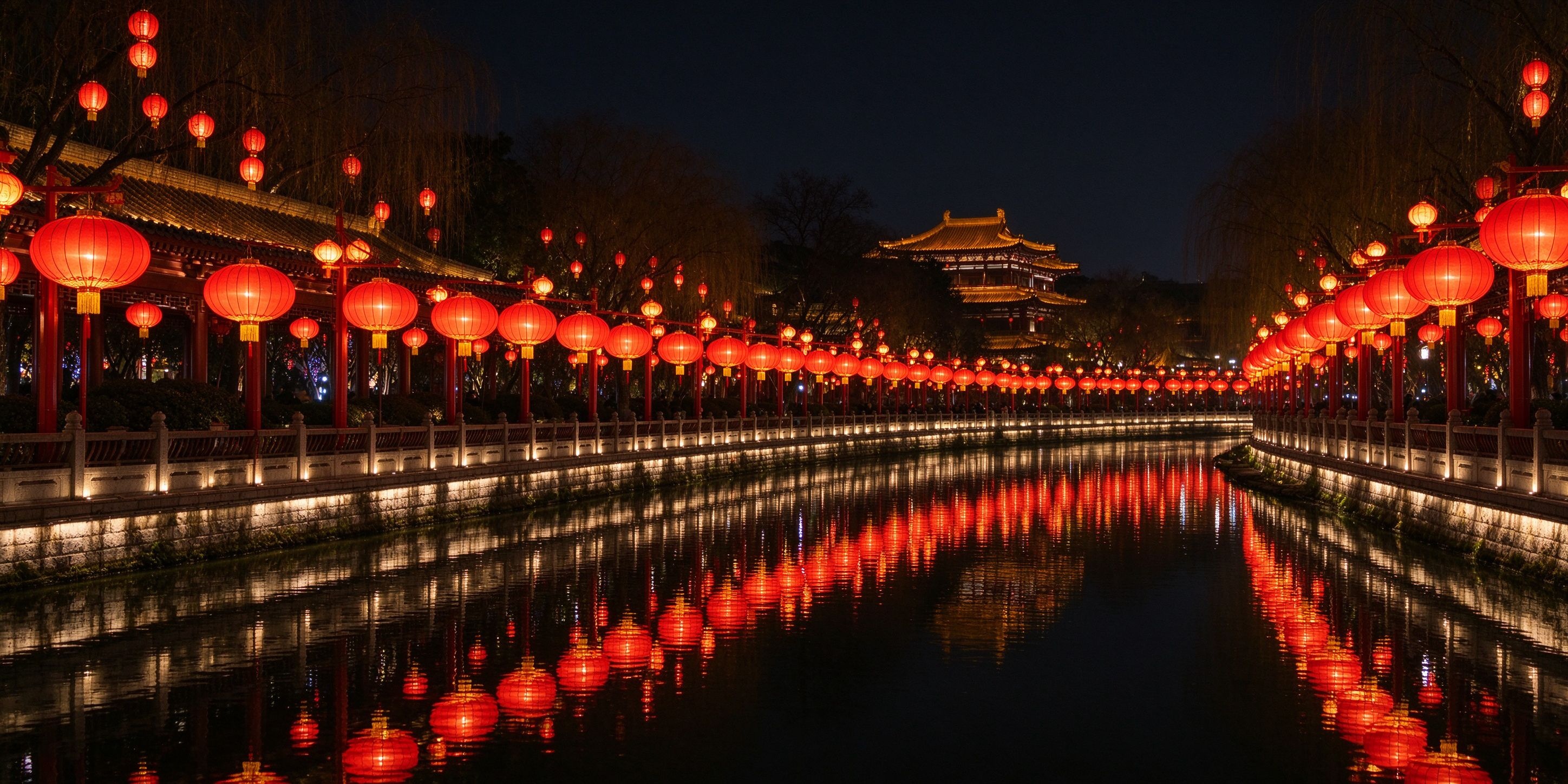
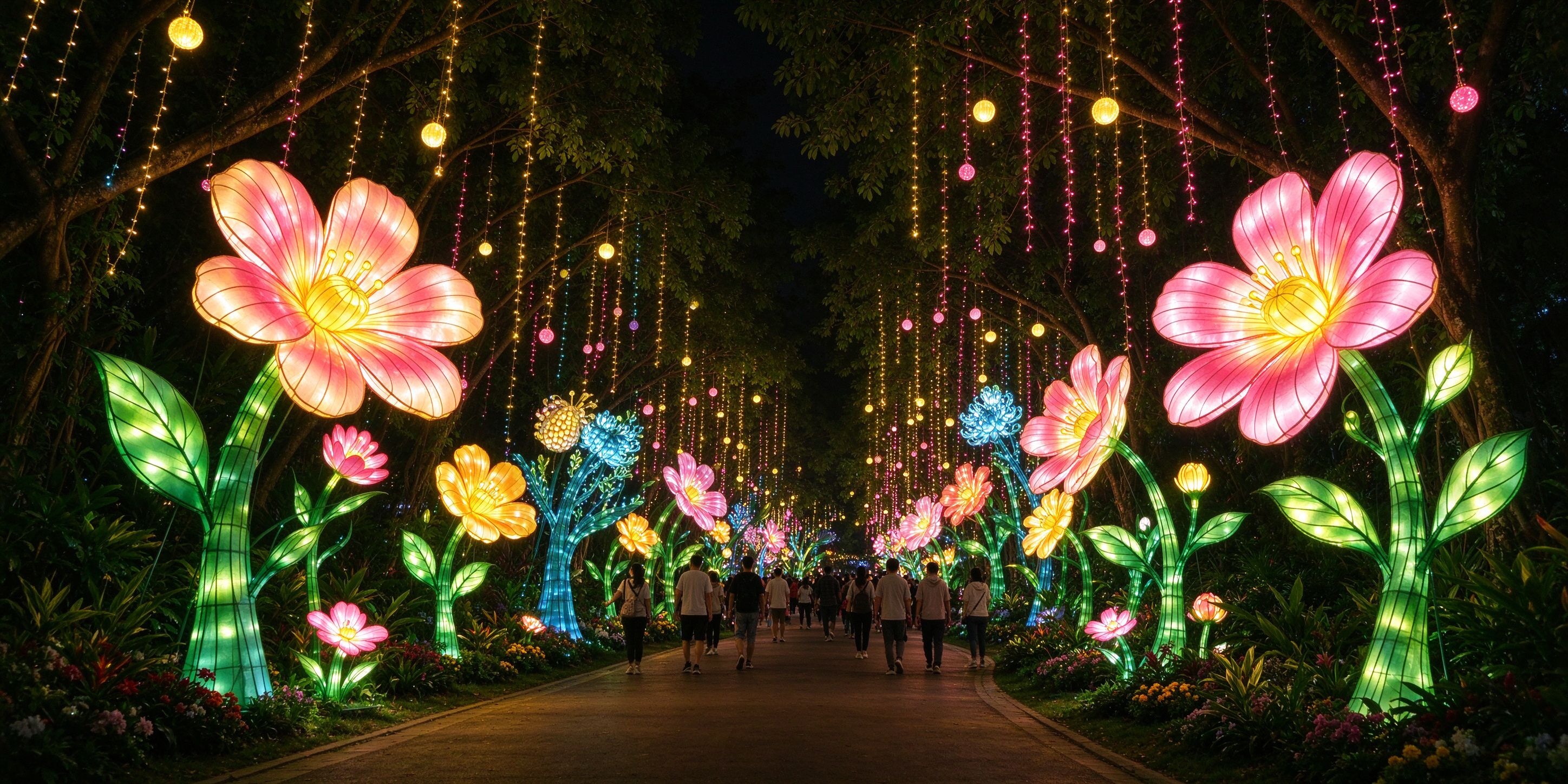
Every serious event blends both. Catalogue pieces — red round lanterns, Chinese palace lanterns, standard animal and flower displays — are proven, faster and cheaper. Custom pieces carry your event's unique story. A ratio of roughly 70 percent proven stock to 30 percent custom is a common starting point for first-time festivals.
Phase 5: Permits, Safety and Compliance (Month 4 to 1)
Never assume the venue's existing permissions cover a night-time light festival. You will typically need electrical installation sign-off, fire safety approval, crowd management plans, noise considerations for sound elements and insurance certificates from your supplier. Our factory provides CE, UL and IP65 documentation, structural wind-load calculations for large sculptures, and fire-retardant covering options where local regulations require them. Keep a compliance checklist and assign one person to own it — this is the phase where festivals get delayed.
Phase 6: Installation (Weeks 4 to 1 before opening)
A standard festival of 60 to 120 lanterns installs in two to four weeks with a crew of ten to twenty. The sequence matters: power and cabling first, then large steel-frame structures, then silk covering and decorative elements, then lighting circuits and programming, then a full-night test. Insist on a complete illumination test at least one night before opening — every lantern switched on, every sequence running, every dark spot logged and fixed.
Phase 7: Opening Night and Operations
Opening night is a preview of the whole season's operating rhythm. Walk the route as a visitor: is the entrance inviting? Are hero zones crowded at predictable times? Are paths well lit and exits obvious? Daily operations should include a pre-open safety sweep, weather checks, lighting continuity verification and a simple incident log. Many festivals also schedule a soft opening for media and VIPs two nights before the public launch, which generates coverage precisely when ticket sales need momentum.
Extending the Season
The strongest operators run a Chinese lantern festival as a platform, not a one-off. A festival built around lunar new year lanterns can transition into a spring lantern festival for March and April; the same power drops, route and ticketing infrastructure serve multiple events. Modular themes — chinese new year lights in January, lantern displays through spring — lift the return on every fixed cost.
Conclusion
Planning a Chinese lantern festival is a nine-to-twelve-month project that rewards early decisions, honest budgets and a supplier who is treated as a design partner rather than a last-minute vendor. Lock your concept, secure the venue, approve designs early, and keep a named owner on compliance. With the right sequence, your festival will open on time, on budget and with the kind of visual impact that draws crowds and headlines. Start your planning conversation today — our engineers respond to enquiries with a free quotation and 3D design preview within 48 hours.
Ready to start your project? Contact the Lantern Festival team at our contact page or call +86 13990006666 for a free consultation and quotation within 48 hours.