Dragon Lantern Symbolism and Design: A Cultural and Commercial Guide
Walk into any major lantern festival on earth and the same silhouette dominates the skyline: a serpentine dragon lantern, coiled, soaring or winding between pavilions, its scales pulsing with light. The dragon is not merely the biggest prop in the show — it is the emotional centerpiece of the entire event. For event buyers, understanding why the dragon carries so much cultural weight, and how that weight is engineered into steel and silk, is the difference between buying a generic light display and commissioning an anchor attraction that sells tickets.
This guide breaks dragon lanterns into two halves. First we explain the symbolism that makes them irresistible to audiences and festival organizers alike. Then we take you inside the workshop — frame, fabric, lighting and animation — so you can specify a custom dragon lantern with confidence, whether your project is a Chinese New Year festival in Singapore, a zoo lights event in Ohio, or a shopping mall atrium display in Dubai.
The Cultural Symbolism of the Dragon in Chinese Lantern Tradition
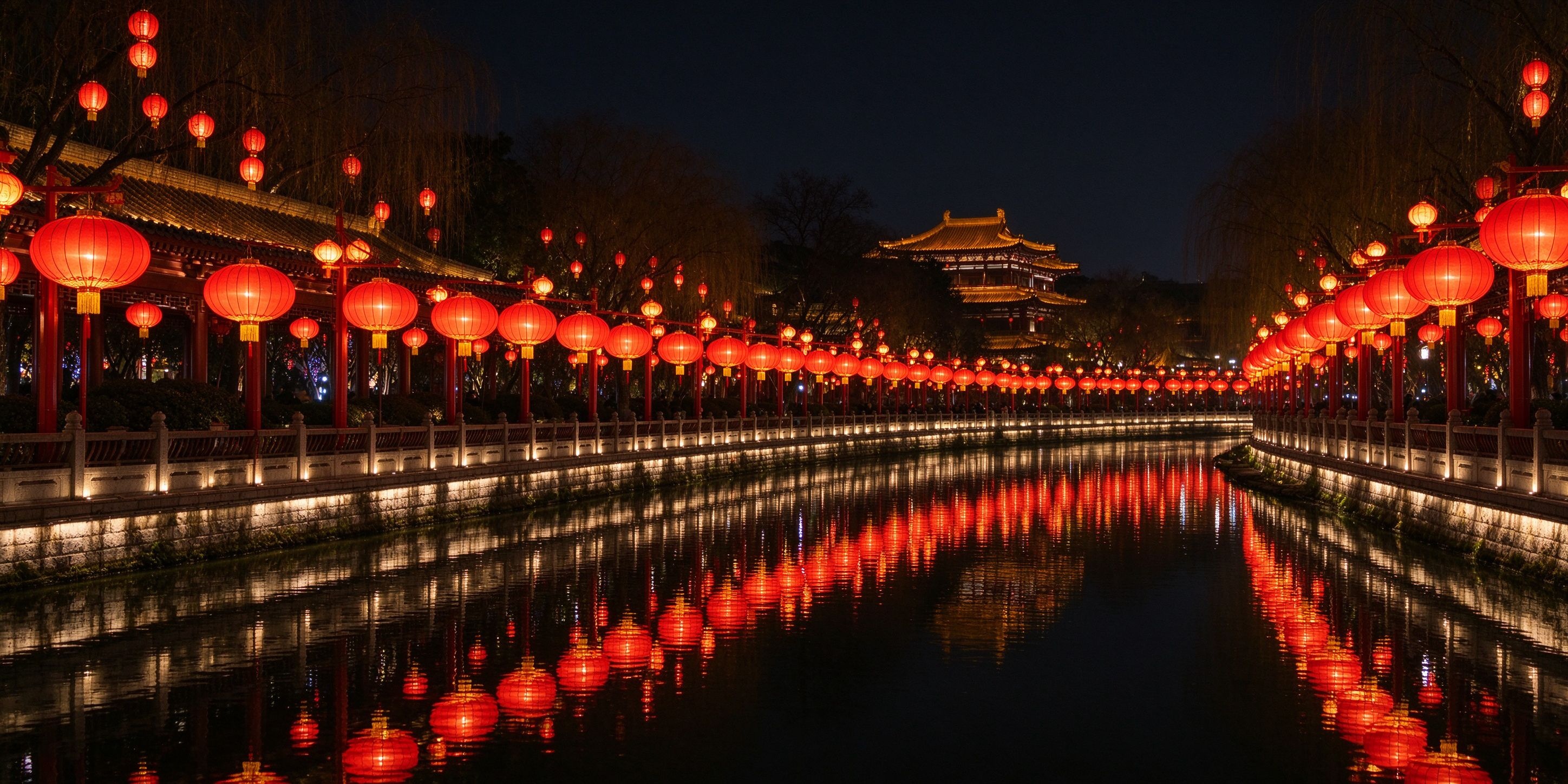
The dragon (long, 龙) is the most auspicious creature in Chinese cosmology. Unlike the fire-breathing adversary of Western myth, the Chinese dragon is a benevolent force: it commands rain and rivers, guards treasure, and embodies yang — the active, bright, masculine principle of the universe. For centuries, the dragon has been a symbol of imperial power, prosperity and good fortune, which is exactly why it became inseparable from the spring lantern festival, the great festival of light that closes the lunar new year celebrations.
Every part of the dragon lantern carries meaning. Nine is the emperor's number, so the most prestigious festival dragons are built with nine articulated body segments. The pearl the dragon chases — the "flaming pearl" — represents wisdom, truth and the moon. Gold-and-red coloring signals wealth and joy, which is why the classic golden Chinese dragon lantern remains the single most requested design in festival procurement. When audiences see a dragon lantern, they do not see a static sculpture; they read a living omen of prosperity for the year ahead. That cultural shortcut is priceless for event operators, because it means a dragon needs almost no explanation — visitors understand instantly that this is the star of the show.
The dragon's role extends beyond the spring lantern festival. Lunar new year lanterns and chinese new year lights displays across Asia and North America routinely build their entire narrative around the dragon's journey: it begins coiled in darkness, rises through the festival, and "awakens" for the finale. This dramatic arc is why dragon lanterns pair so naturally with choreographed light shows and fireworks — the symbol was born to move.
Anatomy of a Modern Dragon Lantern
A festival dragon is not one sculpture but a linked system of engineering disciplines. Every serious custom lantern manufacturer treats the dragon as a modular assembly, and understanding the modules will help you evaluate quotes and brief designers.
Frame Engineering
The skeleton is welded from steel tubing, typically galvanized square or round section, sized to the dragon's span. A 20-meter dragon lantern may contain over 300 individual frame nodes, each one hand-formed and welded before the skin goes on. The critical engineering question is segmentation: the body is built in sections that bolt together on site, each section light enough to lift with a forklift or crane, yet rigid enough to survive wind loading. Reputable manufacturers calculate wind load against local building codes and add counterweights or ground anchors for outdoor installations. If a supplier cannot produce a wind-load calculation for a 25-meter dragon, treat that as a red flag — outdoor light displays fail at the joints, not in the middle of a body panel.
Fabric and Finishing
Over the steel frame, skilled artisans stretch flame-retardant silk or polyester fabric, painting scales, whiskers and contours by hand so that the dragon glows evenly from within. Zigong, the home of China's lantern craft, still colors dragons with layered translucent dyes — the technique that gives festival lanterns their signature jewel-like glow. Quality is visible at the seams: cheap dragons show patch lines and uneven color; a properly finished dragon looks like a single continuous skin even under close-up photography.
Lighting and Animation
The soul of the dragon is its lighting system. Modern dragon lanterns use RGB LED strings inside the body and along the spine, programmable to produce breathing light, running-water chases and color transitions synchronized to music. High-end units add servo-driven heads and tails, so the dragon's jaw opens, its whiskers tremble, and its tail flicks in a slow, hypnotic rhythm. Interactive features — a foot pedal that makes the dragon roar, or a hand-crank that drives its undulation — convert passive viewing into a repeat-visit experience. When budgeting, remember that animation and control electronics typically add 15–30% to the cost of a static dragon, and are worth every dollar in dwell time.
Designing a Dragon Lantern for Your Venue
Before you request a quotation, resolve four specification questions, because they drive 80% of the price:
- Scale and pose. A coiled dragon lantern occupies a compact footprint and suits plazas and mall atriums; a flying or arching dragon needs overhead clearance and a long sightline. Measure your widest viewing angle and let that dictate length.
- Indoor or outdoor. Outdoor dragons demand IP65-rated waterproofing, UV-resistant fabric and stronger anchors. An indoor mall dragon can use lighter frames and richer fabric finishes.
- Animation budget. Decide whether the dragon should be static, softly animated, or fully choreographed to a soundtrack. This single decision changes the control system, power supply and installation time.
- Theme integration. The dragon should not float in isolation. Our nine dragon wall lantern works as a backdrop, while a dragon gate lantern turns the entrance into a ceremonial threshold — both create a complete scene rather than a single prop.
For aerial drama, a flying dragon lantern suspended above a walkway gives visitors the illusion of passing beneath a living beast — one of the most photographed moments in any light festival.
The Commercial Case for a Dragon Centerpiece
Data from our project files shows that festivals featuring a signature dragon lantern report measurably longer visitor dwell times around the hero zone and dramatically more social sharing. The reasons are simple: the dragon is the tallest object in the frame, it reads clearly in photos and drone footage, and it is culturally loaded enough to be the event's logo, poster and hashtag all at once. Sponsors love dragon lanterns for the same reason — a 20-meter branded dragon on the main axis delivers a branding surface no banner can match.
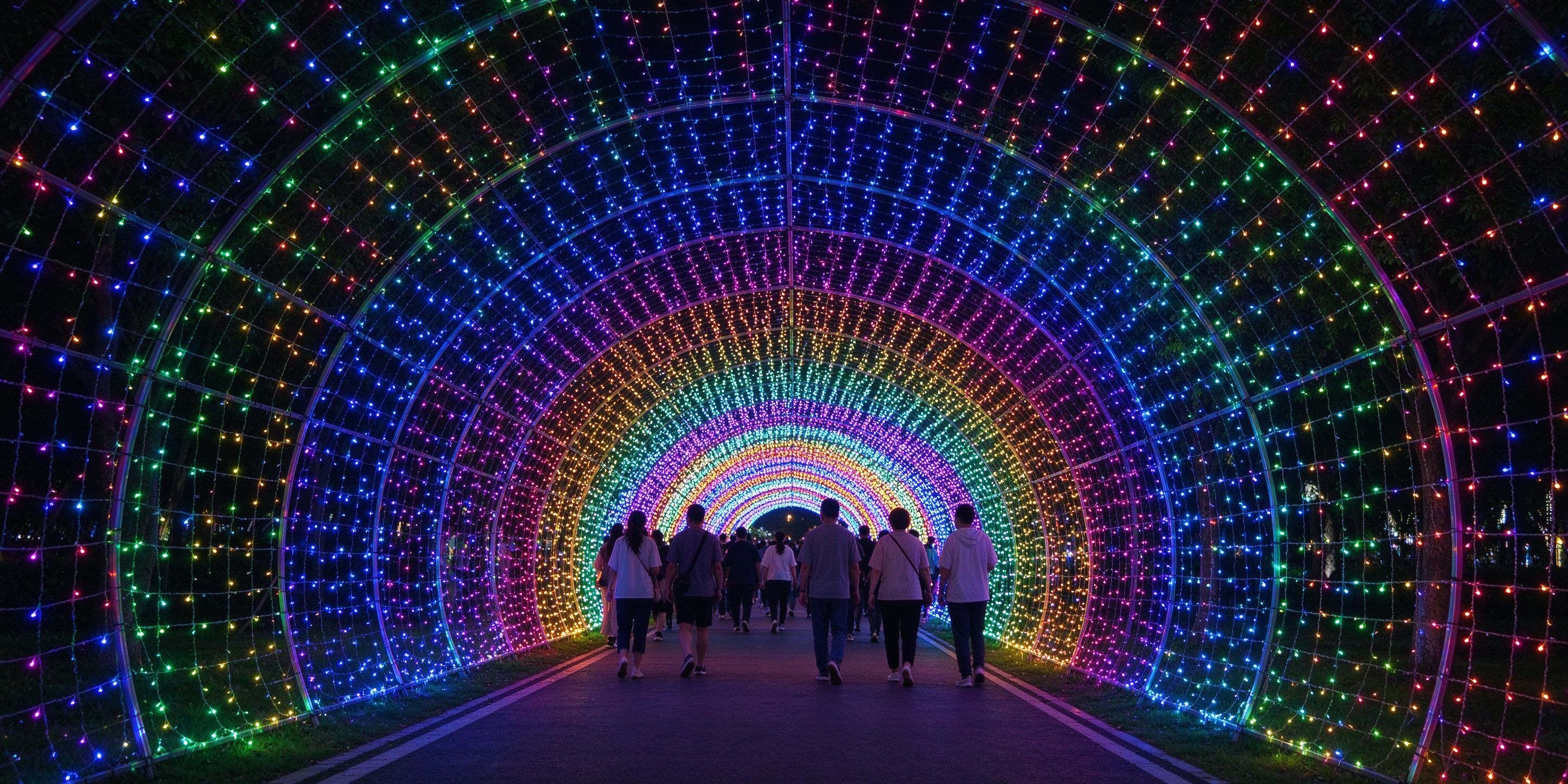
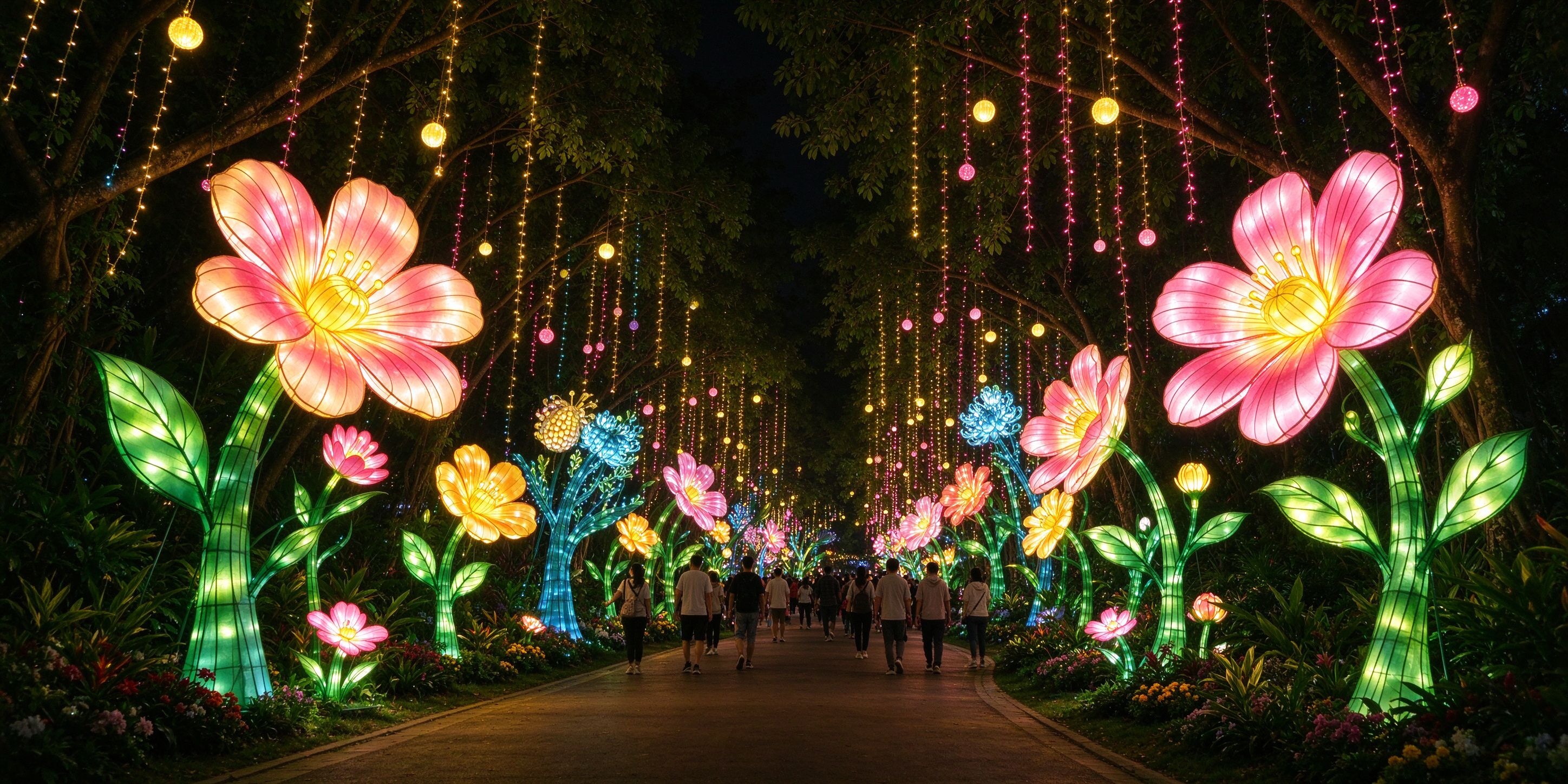
From a procurement standpoint, the dragon is also the best-value piece in a festival. Because it anchors the design narrative, everything else — flower lanterns, light tunnels, animal lanterns — can be specified to complement it, which simplifies your vendor list and your budget line items. A well-designed dragon does not compete with the rest of the display; it organizes it.
Choosing the Right Dragon: A Quick Decision Guide
Start with the viewer. Family audiences respond to friendly, rounded dragons with animated expressions; corporate and cultural events favor majestic, traditional styling with nine segments and gold-and-red livery; theme parks and zoos often want playful, character-driven dragons that can be licensed into merchandise. Share your audience profile and venue photos with the manufacturer, and ask for a 3D design preview before committing. Serious lantern factories in Zigong routinely provide free concept renders, which lets you approve the pose, palette and scale before a single meter of steel is cut.
Finally, verify logistics. A 20-meter dragon ships as a containerized kit of numbered sections with an installation manual, and most suppliers include on-site supervision or a turnkey crew. Confirm lead times (typically 30–45 days for custom sizes), packaging for sea freight, and warranty terms on LEDs — 50,000-hour LED ratings are standard, but ask how failures are handled in year two and beyond.
Conclusion
The dragon lantern is the closest thing the lantern industry has to a guaranteed headline act. It carries two millennia of symbolism, it photographs spectacularly, and it anchors the commercial story of the entire festival. Buy it well — with honest engineering, hand-finished silk and programmable lighting — and it will draw crowds, please sponsors and return its cost many times over. Start with your venue measurements and audience profile, and let a custom dragon lantern become the centerpiece your event deserves.
Plan Your Dragon Lantern Project
Send us your venue size, theme and animation goals. Our design engineers will reply within 48 hours with a free quotation and 3D concept preview — no obligation.
Get a Free Quote☎ +86 13990006666 | ✉ 1712646264@qq.com