Light Trail Design Principles: Creating Memorable Walking Experiences
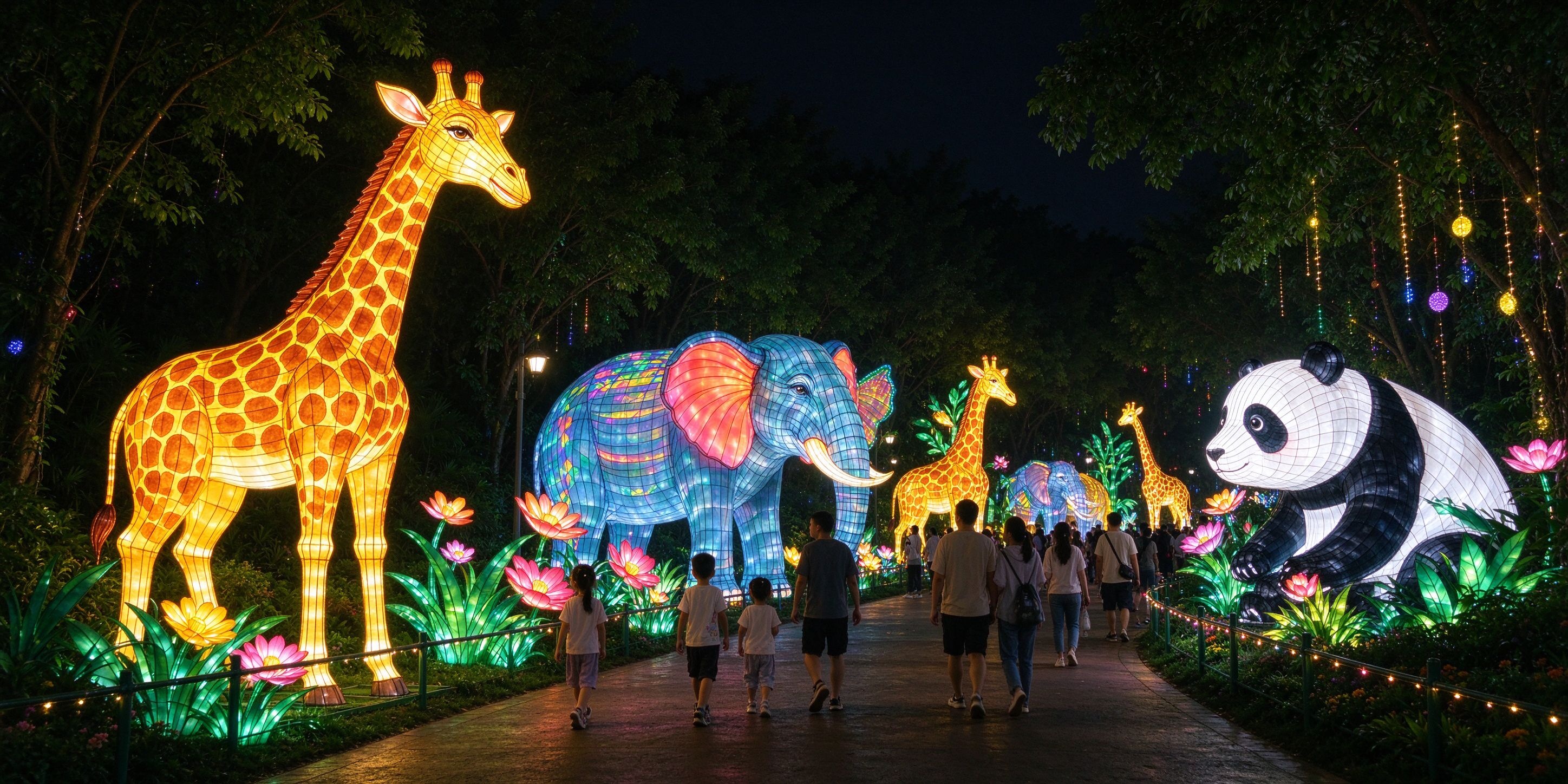
The light trail is the workhorse of the modern light event industry. It is not a single installation but a journey — a sequence of experiences along a walking route that turns a park, zoo or garden into a story you move through. Done badly, a light trail is a corridor of identical glowing props that visitors hurry through in ten minutes. Done well, it is a forty-minute emotional arc that families photograph, remember and return to year after year. The difference is design discipline, and the principles below are the ones that separate memorable light trails from forgettable ones.
Principle One: Design the Emotional Arc, Not the Path
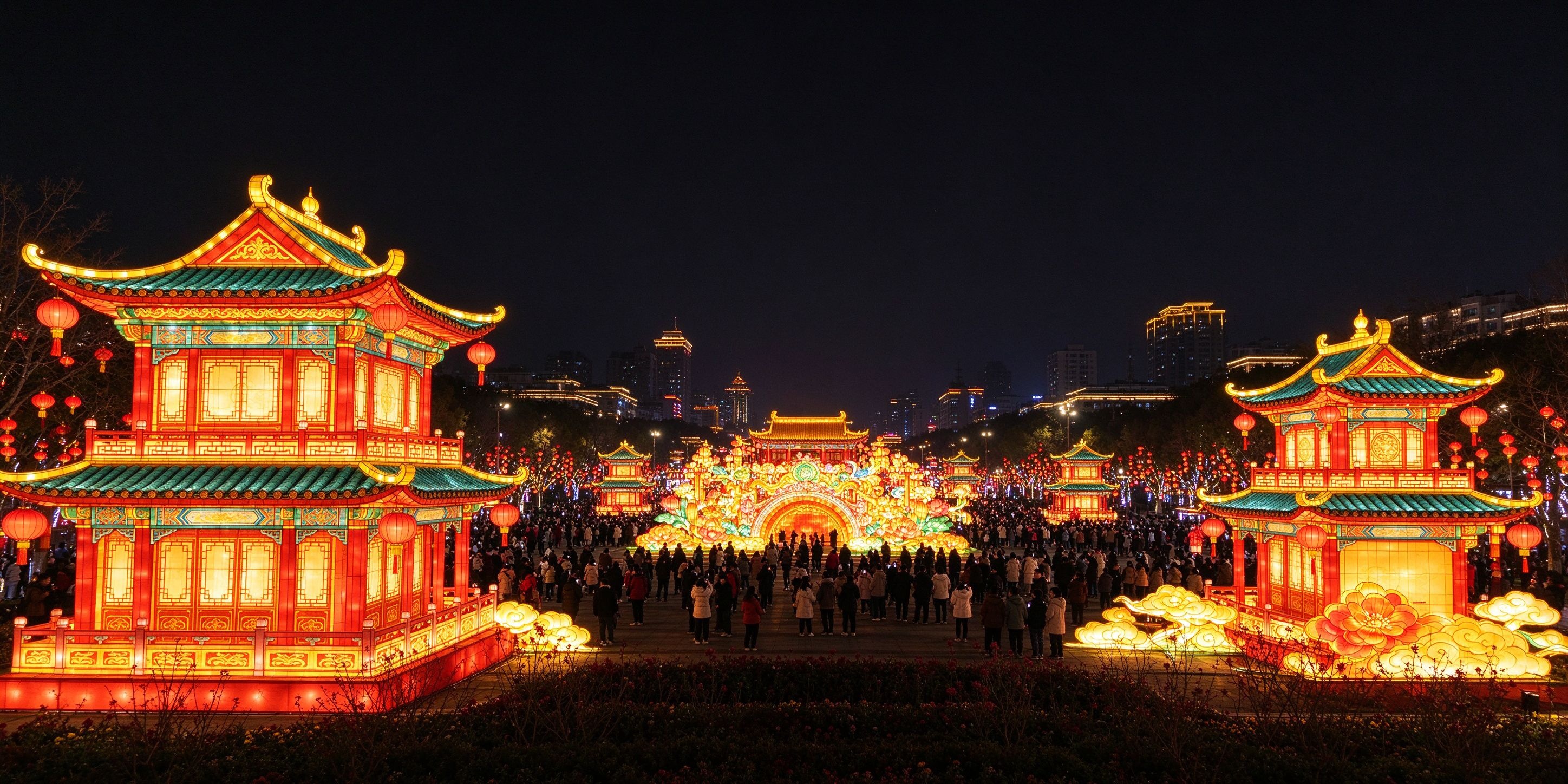
A great light trail has a beginning, a middle and an end — a dramatic structure that shapes how visitors feel as they walk. The classic arc opens with anticipation (a threshold moment that says "you are entering another world"), builds through wonder and delight (progressively richer zones), reaches a climax (the biggest, brightest, most surprising piece), and resolves into calm (a gentle exit zone that lets the experience settle before the gift shop). Every element on the trail has a job in that arc; if a piece does not advance the story or shift the emotion, it is decoration, and decoration should be cut.
Anticipation is the most underrated beat. The first 30 meters of a light trail should tease, not reveal — a low glowing path, a first archway, light glimpsed through trees — so that the reveal at the first major zone lands with real impact. Visitors who are surprised in the first five minutes trust the trail to keep rewarding them, and that trust is what carries them through the quieter middle sections.
Principle Two: Ration the Light — Contrast Is Magic
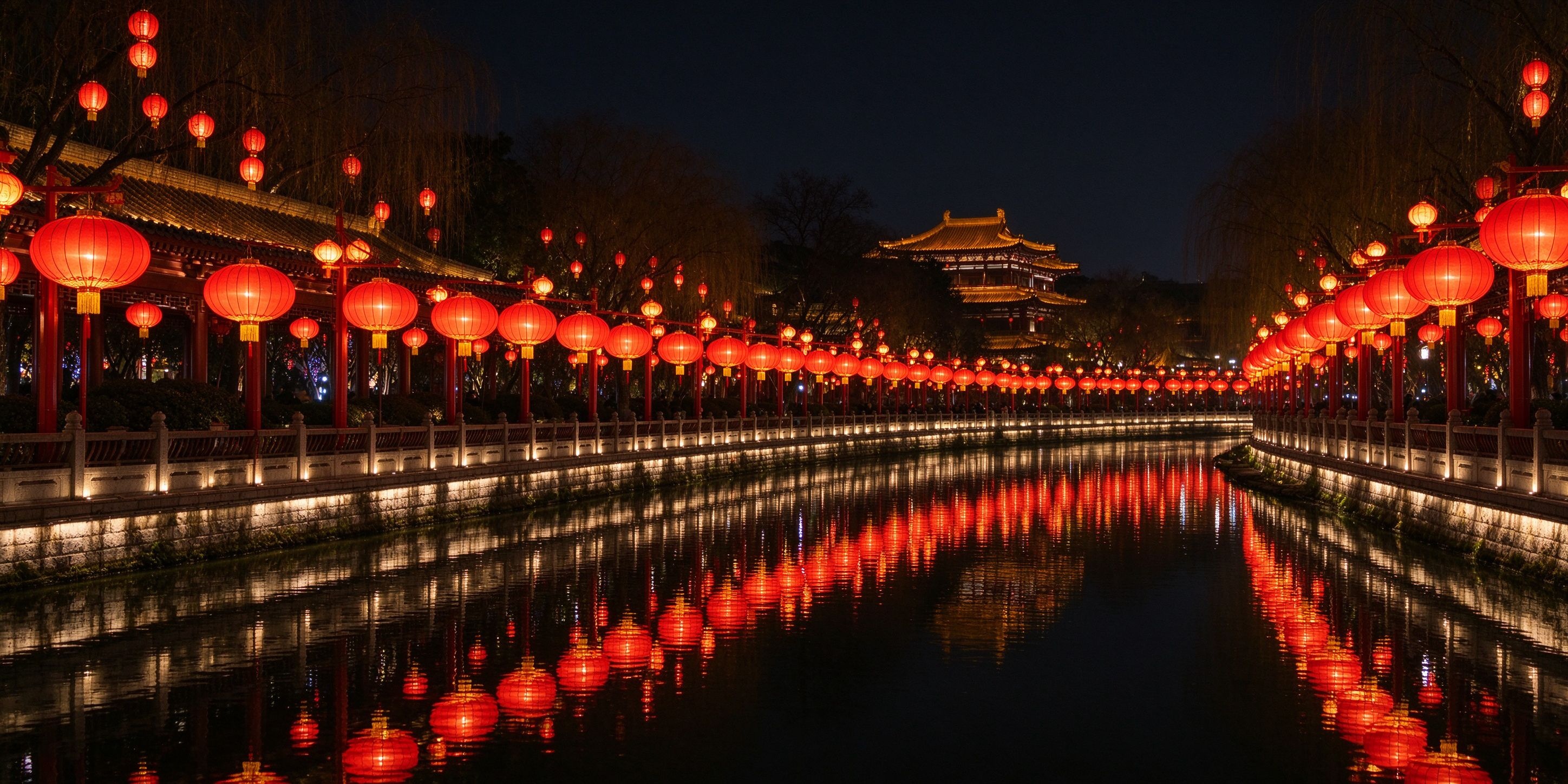
The most common mistake in light trail design is consistency. When every section is equally bright, no section is special. Light is a finite emotional resource, and it must be rationed. Alternate bright zones with genuinely dark, quiet passages; let the darkness make the next glow feel ten times brighter. A well-designed trail might be 40% "dark" — low-level path lighting, silhouettes, moonlit effects — precisely so that the illuminated set pieces arrive as moments of wonder rather than a continuous blur.
Contrast also applies to color and scale. A tunnel of cool blue leads into a warm golden grove; a forest of small flower lanterns opens into one colossal centerpiece. These transitions reset the eye and keep the experience fresh. The designers' rule of thumb: if two adjacent zones feel the same, one of them is wrong.
Principle Three: Control the Sightlines
Visitors should always know where to look next, and the designer controls this with sightlines. Curved paths are superior to straight ones because each bend hides the next reveal — the "wow" moment works best when the destination is glimpsed but not fully visible. Frame key views: an archway that frames the hero piece behind it, a clearing that reveals the valley of lights below, a tunnel exit that opens onto the climactic installation. These composed views become the photographs that market the event, so they are worth designing deliberately rather than hoping they happen.
Height variation matters as much as width. A trail that lives entirely at eye level is flat; one that rises and falls — lanterns overhead, glowing ground elements, distant hilltop displays — creates depth and scale. The light archway installation is the classic vertical tool, but the most sophisticated trails vary height continuously, guiding the eye up through canopies and down across ponds.
Principle Four: Make It Sensory, Not Just Visual
Memorable trails engage more than the eyes. Sound is the cheapest upgrade in experience design: a subtle ambient soundtrack per zone — or better, synchronized music cues that swell as visitors approach the climax — doubles the emotional impact. Scent is emerging as a differentiator: a winter trail with a faint pine or cinnamon scent, a spring trail with floral notes, deepens the illusion of another world. Texture appears at the edges: paths that change from gravel to boardwalk, installations visitors are invited to touch. And the human element — a costumed character, a fire pit, a live performer — turns a trail into an event with a soul. The rule is restraint: sensory layers should support the visual story, never compete with it.
Principle Five: Engineer for Crowd Flow
A beautiful trail that bottlenecks is a failed experience. Design capacity is set by the narrowest point, not the average path width, so identify pinch points on the plan and widen or stage them. One-way flow is standard on narrow trails and should be signaled clearly and enforced gently with lighting cues rather than barriers wherever possible. Focal pieces draw crowds — a LED light tunnel or an interactive bubble light forest will collect a crowd of photographers — so give photo-worthy pieces generous forecourt space, and keep interactive elements off the main flow line so queuing never blocks the path. The exit deserves design too: a slow, gentle transition to full light that lets eyes adjust and conversations finish, ideally routed past retail and food.
Principle Six: Safety as a Design Material
Safety on a light trail is not a checklist bolted on afterward; it is a design material. Path lighting must be sufficient for safe walking while invisible as "lighting" — edge markers, step lights and low-level bollards preserve the magic and prevent falls. All walkway-level cabling is protected or buried, all overhead elements are rigged with engineered clearances, and wet-weather traction is designed into the path surface from the start. Emergency routes must remain obvious, and marshals need a communication plan. The best trails feel safe without ever announcing it — that is the craft.
Conclusion
Light trail design is the discipline of choreographing emotion along a path. Shape the arc, ration the light, control the sightlines, engage the senses, engineer the crowd flow and weave safety into the design itself. Follow these principles and the trail stops being a route between displays and becomes the display — a walking experience that visitors will describe to friends, post online and return to with a new group next year. In an industry crowded with glowing objects, the trail that tells a story is the one that sells out.
Design a Light Trail That Delights
Send us your site plan and target experience time. Our designers will propose a sequenced light trail concept with a free quotation within 48 hours.
Get a Free Quote☎ +86 13990006666 | ✉ 1712646264@qq.com